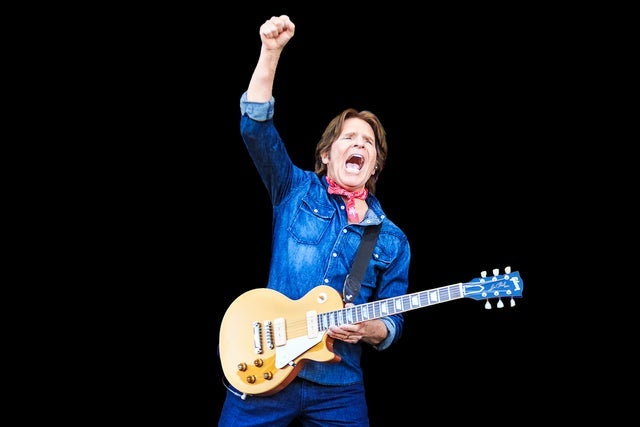
John Fogerty came out of El Cerrito, California and shaped a lean, rootsy sound that pushed Creedence Clearwater Revival onto every radio in the late 60s.
Rights reclaimed, roots renewed
A big recent shift matters here: in 2023 he regained control over much of his CCR publishing, so singing those songs now carries fresh weight for him. Expect a brisk set with
Fortunate Son,
Bad Moon Rising,
Have You Ever Seen the Rain?, and
Centerfield landing at key peaks.
Songs that carry the room
Cuts from
Cosmo's Factory and
Green River often appear, played tight and with little chatter. You will see families, longtime fans in faded denim, and younger players clocking his right-hand rhythm, all moving to the same pocket. Trivia: early CCR sessions were tracked fast with few overdubs, and that swamp pulse came from amp tremolo pushed hard. He may also lift the baseball-bat guitar for
Centerfield and tell a quick story about writing it after ballpark daydreams. Heads up that the set list and production details above are informed guesses from recent tours, not a promise for your night.
John Fogerty Fans in the Wild
Denim, patches, and a river glow
The scene leans casual and practical: worn denim, vintage CCR and bayou-logo tees, trucker caps, and the odd baseball jersey for
Centerfield. You hear big group shouts on the It ain't me lines in
Fortunate Son and the rollin on the river tag in
Proud Mary. Fans trade stories about first hearing
Cosmo's Factory on a car radio and make setlist predictions without fuss.
Shared rituals, zero pretense
Merch tables push throwback designs, from baseball-bat art to riverboat posters, plus a few deep-cut shirts that nod to early club days. A friendly tradition is a brief clap-and-point on the Put me in, coach hook, which turns the floor into one big bench. You may spot a tongue-in-cheek Bathroom on the right sign, met with a grin and then a loud singalong of the real line. Overall the culture feels neighborly and song-first, with people giving space for solos and then jumping back in for choruses.
How John Fogerty Makes It Roar
Songs first, muscles second
John Fogerty's voice still cuts with a sandpaper edge, and he phrases tight against the snare so the stories land clean. Live, the band keeps songs a notch faster than the records, which turns two-minute rockers into quick bursts instead of jams. Two guitars trade hooks while keys add a swampy organ bed, and the rhythm section holds a straight, unshowy pocket.
Small tweaks, big feel
He often starts
Who'll Stop the Rain? almost solo with an acoustic and a high capo, then lets the band bloom in on verse two. On
Born on the Bayou, the tremolo rate is synced to the song pulse, keeping that rolling shiver steady without washing out the riff. Solos are short and melodic, repeating vocal lines rather than chasing speed. Lights favor warm amber and bayou greens, with simple backdrops that keep eyes on the band.
Kin to John Fogerty on the Road
Kindred road warriors
Fans of
The Doobie Brothers will feel at home with the crisp grooves and stacked guitars, plus the shared West Coast lineage. If you chase expressive lead guitar and long-running bands,
Santana scratches that itch while leaning into Latin pulse.
Neighboring sounds and scenes
ZZ Top brings the same no-frills boogie and dry wit that roots-rock fans enjoy, with riffs built for open-air singalongs. Southern rock diehards who ride big choruses and multi-guitar moves tend to cross over with
Lynyrd Skynyrd. All four acts prize strong songs, road-tested bands, and shows that move briskly instead of dragging. If you like how
John Fogerty keeps arrangements tight yet loud, these artists deliver similar payoffs in their own corners.