


Find Bob Dylan Live On Stage presale passwords here.
Scroll down for the performance list. Members get instant access to all presale codes. Click a yellow Subscribe link to join.
Ticket presales give you access to blocks of tickets before the general public.
With a Bob Dylan Live On Stage presale code, you can get tickets before the rush!
Scroll down for the performance list. Members get instant access to all presale codes. Click a yellow Subscribe link to join.
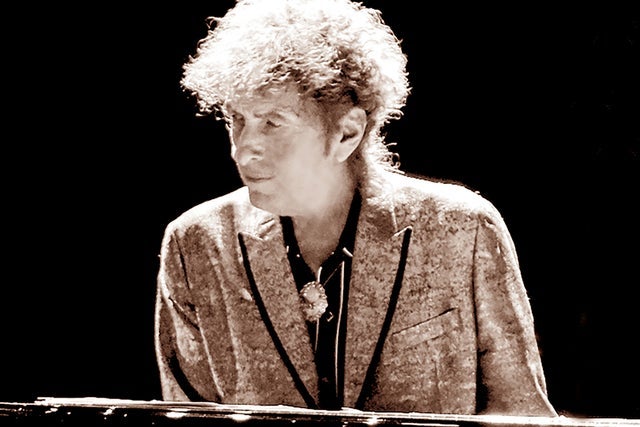
Tangled Up In Stagecraft with Bob Dylan
A voice weathered by miles
Songs bent into new shapes
Bob Dylan came out of the Greenwich Village folk circuit and grew into a shape-shifting songwriter with a bandleader's ear. In recent years he has parked the guitar and steered from a baby grand, giving the shows a close, conversational pace. Expect a late-era focus, with I Contain Multitudes, Key West (Philosopher Pirate), and Goodbye Jimmy Reed set up to do the heavy lifting. Older songs may appear in new clothes, where the chorus lands on a different beat and a quick burst of harmonica frames the exit. The crowd skews multi-generational, jackets draped over seats, notebooks out, and quick bursts of applause after each solo rather than constant chatter. Two small bits of lore: he sometimes produces under the alias Jack Frost, and as Elston Gunn he once backed teen idol Bobby Vee for a short run. Consider this a snapshot based on recent runs, not a guarantee, since he can change songs and staging on a whim.Scene, Rituals, and Quiet Hush
Quiet rituals, shared notes
Vintage threads, lyric talk
Phone pouches and posted signs keep the room focused, and people tend to settle in early rather than rush the aisles. You see denim with old tour patches, well-worn boots, and the occasional newsboy cap, but the bigger tell is lyric fragments traded like passwords. Merch leans simple, often serif fonts and photo booklets that catch the era he is working through now. Quiet is part of the culture, with a low ripple of talk between songs and a quick cheer when the harmonica comes out. Longtime fans swap notes about which lines shifted tonight, and newer folks listen for the way the band breathes around the words. Stand moments are rare until the end, when the bow draws a respectful wave of claps and a soft exit into the night. It feels less like a rally and more like reading a book out loud together, which suits this chapter of Bob Dylan.Craft, Grit, and the Room's Glow
Piano-led pulse, band in orbit
Subtle light, sharper ears
The vocals sit front and center, spoken-sung, with consonants pushed forward so the lines land like quick taps rather than long arcs. Bob Dylan rides the piano in short, percussive clusters, letting the left hand mark time while the right sketches small chords between phrases. Guitars favor clean tones that trace the melody instead of chasing big solos, and the drums often use brushes or light sticks to keep a patient swing. Tempos hold to midrange, which gives the lyrics space, but a song might drop a verse or add a two-bar vamp to reset the room. A lesser known habit is the quiet key shift across a tour leg, dropping some numbers a half step to deepen the color without changing the feel. Lighting stays warm and low, choosing amber and soft blue washes that hide the edges and make the sound feel closer. The band tracks his cues with quick glances, and those tiny pauses before a final line are where the air gets thick.Kindred Travelers and Why They Fit
Kindred roads and steady hands
Fans of Neil Young often click with Dylan's late-period shows because both lean on grainy vocals, steady grooves, and stories told in plain, pointed lines. Van Morrison makes sense too, as his sets ride feel and phrasing over flash, with blues and R&B colors that mirror Dylan's current palette. Bruce Springsteen parallels show up in the long career arc and the way small arrangement tweaks keep familiar songs alive on stage. If you like weathered Americana with sharp writing, Lucinda Williams hits the same nerve, trading polish for grit and detail. All four acts tend to reward close listening, and their crowds show up for narrative drive more than singalong choruses. They also work with bands that serve the song first, which is where the overlap really lands.Popular Concerts and Matching Presale Unlocking Codes
We are an independent information service and not associated with Bob Dylan Live On Stage.
Learn more