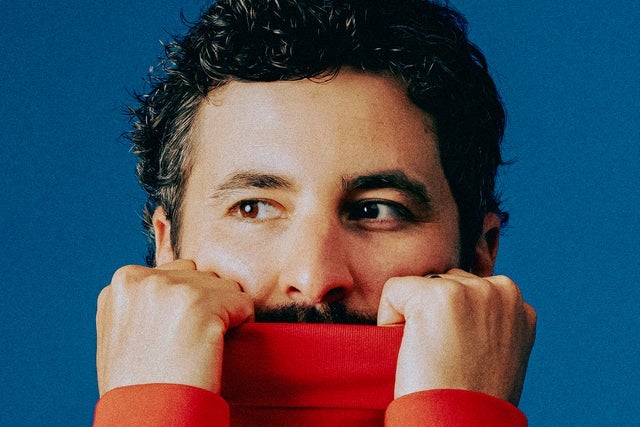
Lane 8, also known as Daniel Goldstein, built a melodic house lane that favors feeling over flash.
Phones down, ears open
He rose with Anjunadeep, then shaped his own This Never Happened world where the phones stay down and the mixes breathe. Europe dates usually lean into sunrise-sunset arcs, patient builds, and bass that is warm not boomy.
Likely arc and songs
Expect anchors like
Atlas,
Fingerprint,
Reviver, and maybe
No Captain, threaded with IDs from his seasonal mixes. The crowd skews mixed in age, from early club regulars to newer stream-born fans, all tuned to subtle shifts rather than quick drops. Up front you will notice quiet focus and soft cheers, while the back drifts and sways as long blends stretch. Small nerdery: he often prepares one-off extended edits that never leave the tour USB, and his early Anjunadeep cuts set the patient tone he still favors. Take this as an informed guess—songs and staging can shift night to night.
The culture orbiting Lane 8
Quiet rituals, shared focus
The scene leans low-key and considerate, with people taping over cameras at the door and pockets staying zipped once the lights fade. You will see neutral layers, running shoes, and TNH caps, plus a few vintage Anjunadeep tees that nod to the roots. Friends share water, trade set guesses, and swap notes on their favorite seasonal mixes between swells.
Style cues, not costumes
Chanting is rare, but a wordless hum rises during big pads, and the first kick after a long break earns a clean cheer. Merch trends toward simple type, dates, and that small tree motif, which pairs well with the no-phones ethic. Groups mark moments with hugs instead of screens, then compare highlights after the lights lift. It feels like a social pact: let the music lead, respect the room, and leave a little lighter than you arrived.
How Lane 8 builds and releases tension live
Slow build, big payoff
Lane 8 tends to sit around 122-124 BPM, letting kicks pulse like a heartbeat while lights sketch the contour rather than steal the show. His drops are less about volume and more about space, with the bassline opening like a door and pads widening the room. Vocals, when used, are treated as glow points, tucked into the mix so the groove never stops carrying the weight.
Subtle tricks that matter
He often trims an intro or adds a few extra bars live, stretching tension so a theme resolves right as the low end returns. A small tell: he will loop a soft hi-hat from the outgoing track under the new one, keeping movement alive through the handoff. The arrangements favor long A-B journeys, so motifs return in warmer colors rather than hard reprises. When the room is ready, he nudges tempo a notch and lets a rolling arpeggio steer, avoiding sudden lurches. Players around him, whether a VJ or a friend at a controller, support the core by carving out space and letting the midrange breathe.
Kindred paths for Lane 8 fans
Kindred textures
Fans of
Yotto will feel at home, since both favor slow-burn melodies and weighty low end that hits more like a tide than a crash.
Spencer Brown brings a similar progressive patience, with long transitions and themes that unfurl rather than jolt. If you like vocals riding above glowing pads,
RUFUS DU SOL sits nearby on the map even if their shows lean more band-driven.
Where tastes overlap
Tinlicker overlaps on polished, euphoric builds that still leave space for detail. All four acts suit listeners who want motion and emotion without constant peaks. Their crowds tend to value flow, key-matched mixing, and tracks that bloom slowly. That shared taste makes cross-pollination common, from playlists to late-night festival slots.