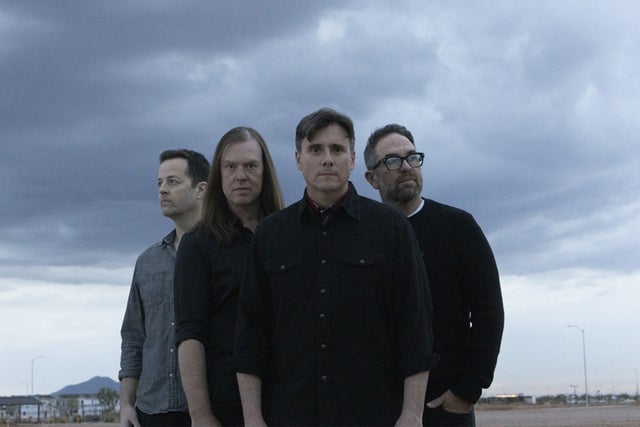
Two legacies, one fast lane
Jimmy Eat World came up in Arizona's DIY-emo scene, sharpening big-chorus rock on
Clarity and
Bleed American, while
PUP brings Toronto punk bite and wry storytelling. On a co-headline night, the arc often swings from PUP's sprint to JEW's widescreen sing-alongs.
What might get played, and who shows up
Likely anchors include
The Middle and
Sweetness for
Jimmy Eat World, and
DVP and
Kids for
PUP. The floor usually holds a friendly pocket of movement for PUP, with soft edges where casual fans hang back, while the JEW set tilts toward mass chorus with arms up rather than pushing. You will see late-90s and early-00s fans next to younger punks who found these songs on playlists and basement shows. Trivia to listen for:
Jimmy Eat World self-financed much of
Bleed American sessions after a label split, and PUP originally played as Topanga before the name change. Another small note: PUP often burns straight through songs with minimal chatter, setting up JEW's patient pacing. Details about songs and staging here are my best-guess based on recent shows and may differ on the night.
Jimmy Eat World crowd file: patches, hooks, and grins
What people wear, what they sing
You will spot vintage tee collectors, patched denim from DIY scenes, and folks in clean sneakers who came straight from work. Expect friendly pits during
PUP, where people tap shoulders to pull someone back in and then scream the chorus together.
Shared codes, zero pretense
When
Jimmy Eat World hits
Sweetness or
A Praise Chorus, the room turns into a choir that knows the counter-melody as well as the lead. Merch lines tend to split the difference: bold, cartoony PUP art next to desert-toned designs that nod to Arizona roots and
Bleed American iconography. Pre-show chatter often swaps discovery stories from burned CDs to playlists, and you hear older fans pointing out deep cuts to younger friends. The mood skews communal rather than combative, with a shared respect for hooks and enough energy to make even the quiet songs feel present.
Jimmy Eat World, under the hood: gears, grit, and glow
Hooks first, muscles second
Jimmy Eat World tends to keep vocals clean and centered, with Jim Adkins' bright tenor balanced by Tom Linton's lower grit on harmonies and the occasional lead like
Blister. The arrangements favor straight-ahead drums that leave space for guitar melodics, while bass glues the chorus lifts without showy fills.
Small choices, big payoffs
PUP pushes tempos a notch, with gang vocals that feel like a well-tuned shout rather than chaos. A common trick is running
If This Tour Doesn't Kill You, I Will straight into
DVP, turning two songs into one breathless burst.
Jimmy Eat World sometimes extends a bridge, letting the crowd carry a refrain before the band slams the last chorus, which subtly raises energy without speeding up. Lighting usually mirrors this: warmer washes for the mid-tempo glow, then staccato strobes for PUP's sprints. A small nerd note: when
Jimmy Eat World plays older cuts, guitars often clean up with less gain than the records, which makes the choruses bloom bigger when the overdrive returns.
Kin to Jimmy Eat World: kindred roads and rowdy hearts
If you like these, you will click with this bill
Fans of
Taking Back Sunday overlap through the anthemic call-and-response hooks and the push-pull between crunch and melody.
Adjacent roads worth walking
The Menzingers connect on tuneful punk stories that age with you, a lane close to
PUP when the tempos punch. If you lean toward earnest acoustic turns and nostalgia-warm choruses,
Dashboard Confessional is a fit for the
Jimmy Eat World side of the night. For shorter, sharper blasts and dry humor,
Joyce Manor scratches the same itch as
PUP. These artists all tour hard, draw crowds that sing loudly, and value songs that land in three minutes without dead air. The overlap is less about subgenre rules and more about clear hooks, mid-tempo pivots, and a shared habit of turning quiet lines into gang shouts.