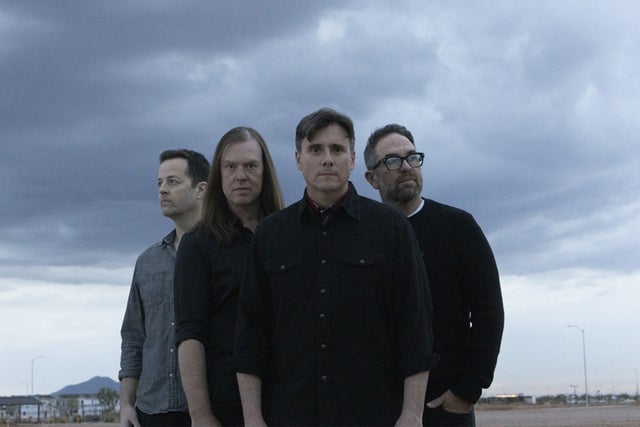
Desert-born hooks, grown-up stakes
Jimmy Eat World came up in Mesa, Arizona, sharpening bright melodies against earnest lyrics and tight rhythms. Their core has stayed intact for decades, with Jim Adkins and Tom Linton trading guitar colors while Zach Lind and Rick Burch lock the pulse. Expect a set that balances early deep cuts with hook-forward singles like
The Middle,
Sweetness,
Bleed American, and
Pain.
Setlist shape and who shows up
You will see a cross-section of fans: longtime listeners in old tees, newer faces who found the band through playlists, and a few parents with teenagers. Trivia: the album
Bleed American was briefly retitled in 2001 for sensitivity reasons, and the band self-financed that record after a label drop. Another tidbit: Tom takes the lead vocal on
Blister live, which subtly shifts the band's center for a few minutes. Just so you know, these set and staging ideas reflect recent patterns and could change by showtime.
The Jimmy Eat World Scene, Up Close
Denim, patches, and patient sing-alongs
The crowd mixes vintage band tees, flannels, and clean sneakers, with a few patched jackets nodding to
Clarity and
Futures eras. People hold tight during verses and then let loose on big choruses, saving lungs for the whoa-oh peaks in
Sweetness and the call-and-response of
The Middle.
Rituals that feel communal
You will hear a tight "Hey" in
Pain, and a sly grin ripple when "Crimson and clover, over and over" lands in
A Praise Chorus. Merch tables favor simple fonts and desert icons, a quiet nod to the band's Arizona roots. Friends trade stories about first shows and favorite deep cuts, recalling where they were when
Bleed American broke and what song pulled them through a rough patch. The mood stays grounded and generous, more about shared memory than posturing, which fits a group that prizes songs over spectacle.
How Jimmy Eat World Makes Big Songs Feel Close
Hooks built on clean lines
Jim Adkins' voice sits clear and steady in the middle range, and the band arranges parts so the words stay readable even when guitars push hard. Tom Linton's rhythm parts often leave space on the off beat, which lets leads ring without stepping on vocals. Live, they tighten tempos a touch, giving songs like
Pain and
A Praise Chorus a brisk feel while keeping chorus drop-ins big.
Small choices that carry weight
Zach Lind mixes punchy kick patterns with light cymbal work, and he sometimes triggers subtle samples to thicken claps or tambourine hits. Rick Burch anchors the low end with simple, melodic bass lines that guide chord changes rather than just follow them. A neat detail is how
23 often stretches with a long, layered outro, while
Lucky Denver Mint shows up a notch faster than the record. Visuals tend to be tasteful color washes and backline strobes that support the ebb and rise of the set without stealing focus. On long runs they may drop some keys by a half step to keep the vocals strong, a small shift most ears hear as extra warmth.
If You Like This, You Might Love Jimmy Eat World’s Circle
Kindred hooks and heart
Fans of
Dashboard Confessional will connect with the confessional lyrics and mid-tempo lift that
Jimmy Eat World often hits.
Taking Back Sunday shares the punchy guitar interplay and shout-along moments, though
Jimmy Eat World leans cleaner and more tuneful.
Where fanbases overlap
If you like moodier textures and a careful build,
Death Cab for Cutie offers similar dynamic arcs and a focus on arrangement detail.
Manchester Orchestra brings a thicker, heavier swell, appealing to fans who enjoy a cathartic crest without losing melody. These acts tend to reward close listening while still delivering big choruses that feel earned. They live in overlapping rooms and festival slots, and the same playlists often shuffle them together.