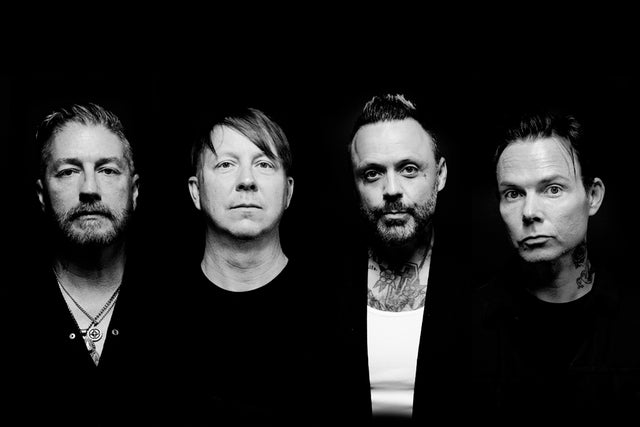
Heart-on-sleeve alt-rock from Texas
Born in Houston, the band blends alt-rock grit with strings and pop sense, making confessional songs feel big without losing the edge. In recent years they have leaned into hard-won clarity after struggles with addiction and burnout, and that steadiness shapes the current show. Expect a set that pairs mid-2000s staples like
Hate Me and
Into the Ocean with early favorite
Calling You and the streaming-era lift of
I Hope You're Happy. The floor often mixes longtime fans in well-loved tour shirts with newer listeners who found the band through playlists, and couples who trade lines during the choruses.
What you might hear and who shows up
A neat detail: the studio version of
Hate Me samples a real voicemail from the singer's mom, and the group runs its own
Up/Down Records to keep control of releases. Another quirk is the way the violinist doubles guitar hooks live, thickening riffs without turning up the gain. Expect a few hushed moments that let the words sit, then sudden bursts where drums and bass hit like a heartbeat. Treat these notes on songs and staging as informed guesses drawn from past shows, rather than a fixed plan.
Blue October: Scene, Rituals, and Little Details
Threads, ink, and lyric scraps
You will see dark denim, soft flannels, and worn hoodies from the
Foiled and
Home eras, plus a few jackets patched with lyric fragments. Bracelets and notebooks with quotes show up at the rail, a nod to how the songs double as journals for some fans. Big chorus moments spark call-and-response, with the crowd carrying the hook of
Hate Me long after the band cuts out.
Shared rituals in the room
When the room moves to
Fear or other mid-tempo tracks, there is a practiced hush that lets the quiet lines land. Merch trends tilt toward lyric tees, embroidered beanies, and full-album vinyl like
I Hope You're Happy or
Spinning the Truth Around. Between sets, people trade stories about first shows and recovery wins in a low-key way, which makes the space feel steady rather than intense. It is a scene that values honesty over flash, so the cheers come loud but the listening stays focused.
Blue October: Musicianship First, Production in Service
Voice, strings, and space
The lead vocal sits upfront, switching from a near-whisper in verses to a bright, cutting belt on choruses, which keeps the emotions clear. Violins trace counter-melodies over chiming guitars, and the rhythm section favors round, warm tones that leave room for the words. Many songs open a touch slower than on record, then snap tighter as drums move from brushes or soft sticks to full kit hits.
Small choices, big impact
Live, they often drop a key by a half-step on older material so the top notes bloom without strain, and it gives the guitars a darker hue. The band likes to reframe
Into the Ocean with a stately intro before turning the bridge into a cruising, head-nod groove. Subtle programming and looped strings pad the corners, but the mix keeps guitars and voice as the spine. Lighting shifts track the emotional map rather than flash for its own sake, so peaks feel earned.
Blue October: Kindred Artists and Why
Adjacent lanes
Fans who love
Goo Goo Dolls often click with this band too, since both lean on melodic hooks and reflective lyrics that play well in big rooms. If you like the dynamic builds and honest tone of
Jimmy Eat World, the rise-and-fall arcs here will feel familiar.
Who shares the crowd
The thoughtful, hopeful strain in
Switchfoot speaks to the same listeners who want grit and grace in one night. For moody, widescreen singalongs,
Snow Patrol fans will recognize the slow-bloom choruses and steady pulse. All four acts value melody first, then let texture, dynamics, and crowd harmonies do the heavy lifting, which is why the overlap is real.