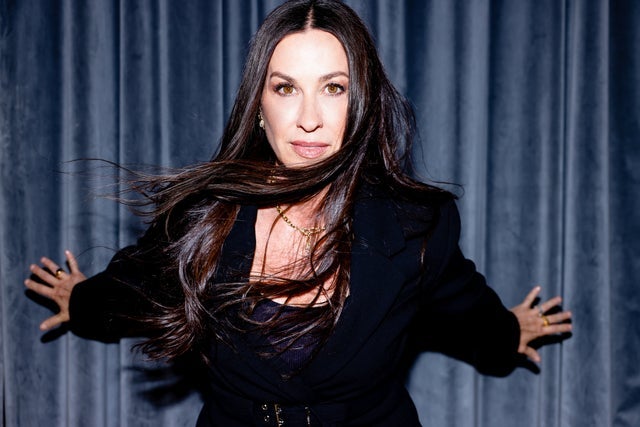
From Ottawa pop prodigy to alt-rock truth-teller
Alanis Morissette broke out with
Jagged Little Pill in 1995 after two teen-pop albums in Canada and a move to Los Angeles. Her sound blends confessional lyrics, elastic phrasing, and guitar-heavy hooks, with a conversational bite. Expect keystone songs like
You Oughta Know,
Ironic,
Hand in My Pocket, and
Uninvited. The crowd skews multigenerational with many who grew up on 90s radio standing alongside younger fans pulled in by the
Jagged Little Pill musical and streaming-era discovery. You might see people mouthing every word, yet staying quiet for the verses of
Uninvited before belting the final chorus.
Setlist shape and crowd energy
Trivia: Much of
Jagged Little Pill was co-written with Glen Ballard and tracked quickly in his home studio, with many vocals kept from first takes. Another trivia: The original studio
You Oughta Know bass and guitar came from Flea and Dave Navarro, which the live band now channels with a tighter, modern low end. To be clear, these set and production notes come from recent tours and history, so details can shift on the night.
The Scene Around Alanis Morissette
90s textures, present-day care
The scene mixes vintage 90s tees, flannel tied at the waist, and clean sneakers or Docs, plus a lot of folks wearing light layers for easy movement. You will hear pockets of harmony on the last lines of
Ironic, and a loud group punch on the "you, you, you" hits in
You Oughta Know. People tend to put phones down for
Uninvited, then lift them for a quick chorus clip and tuck them away again as the band resolves.
Rituals in the room
Merch leans simple and text-forward, with
Jagged Little Pill era fonts, a clean tour script, and the occasional harmonica graphic. Conversation before the set often drifts to favorite deep cuts like
Joining You or
So Pure, and stories of first hearing those songs on car radios or battered CDs. The overall feel is open and respectful, more about sharing space and singing on cue than chasing viral moments.
How the Band Frames Alanis Morissette's Fire
Big vowels, small turns
Alanis Morissette's voice leans on wide vowels, a quick break into head tone, and a grain that cuts through guitars without shouting. Live arrangements keep verses tight and let choruses breathe, with the drummer opening the hi-hat and the bass stepping out of straight roots to lift the hook. Two guitars usually split duties, one glassy and chiming, one rough and palm-muted, so the vocal sits in a clear lane. She often brings a harmonica for
Hand in My Pocket or slips an acoustic into the set, which resets the room before the heavier numbers land.
Guitars that leave space
A neat detail: some staples drop a half-step live, a small key change that warms the tone and helps long-arc stamina across the night. Expect at least one rebuild, like stretching the bridge of
Uninvited into a slow rise before the band hits hard on the last refrain. Lighting tracks the dynamics with cool washes for verses and sharp whites on choruses, accenting the music rather than stealing focus.
Kindred Spirits for Alanis Morissette Fans
Adjacent voices, shared catharsis
Fans of
Sheryl Crow often connect with
Alanis Morissette because both blend radio-ready hooks with rootsy guitars and frank storytelling.
Fiona Apple appeals to the same crowd for her percussive piano drive and emotionally candid phrasing, a different instrument leading to a similarly direct feel.
Liz Phair overlaps through sharp, plainspoken lyrics and 90s indie grit that turns into big sing-alongs when played live. If you like a darker, punchier alt-rock sheen,
Garbage brings thick textures and a cool rhythmic stomp that mirrors the moodier edges of
Supposed Former Infatuation Junkie and
Uninvited.
Why the overlap works
These artists share crowds that value strong melodies, clear point of view, and bands that can shift from hush to roar in one song. The overlap is less about genre labels and more about that mid-tempo push, crisp choruses, and voices that sound human and a little raw on stage.