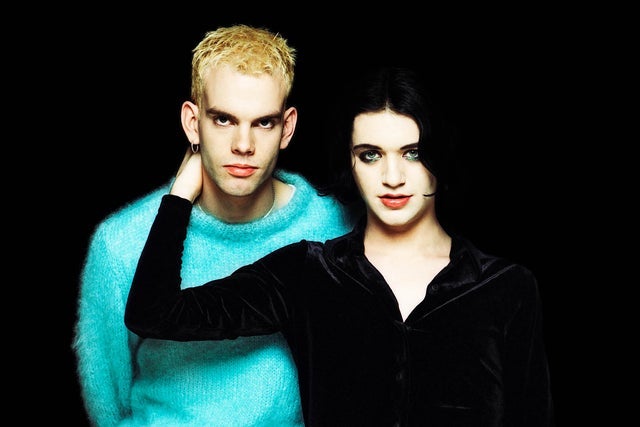
Thirty years, still sharp
Formed in London by
Brian Molko and
Stefan Olsdal,
Placebo built a sound of serrated guitars, bittersweet hooks, and blurred lines of gender and genre.
Three decades in, the duo keeps the focus tight after years of rotating drummers, framing this run as a career scan rather than a time capsule.
A balanced set is likely to pull from eras old and new, with
The Bitter End,
Beautiful James,
Special K, and
Too Many Friends anchoring the mood swings.
Crowds tend to be mixed in age, with black layers, boots, and liner-heavy eyes next to casual tees, and you will hear different languages swap verses between songs.
Stories in the quiet
A noted tour quirk: the band often requests a phone-light room so the dynamics and lighting can breathe.
Trivia: Molko and Olsdal reconnected when Olsdal recognized Molko outside South Kensington station, leading to their first rehearsal days later.
Another footnote:
David Bowie cut a guest version of
Without You I'm Nothing, a bond that shaped their early stature.
For transparency, the song picks and production calls mentioned here are educated projections and may change show to show.
Placebo: The Scene Up Close
Night colors and quiet codes
The room skews black-on-black with flashes of silver chains, matte boots, and eyeliner that nods to the band's 90s roots without costume play.
You will catch small rituals: a low murmur during new tracks, then a full-voice surge on the hooks of
The Bitter End and
Special K.
Between songs, fans tend to hold space for the band's no-phone ask, trading eye contact and quick debriefs instead of screens.
Merch leans clean and monochrome, with anniversary marks, classic wordmarks, and a few deep-cut references that reward longtime ears.
Shared release, not spectacle
Chants are more about a rolling hum than soccer roars, often blooming right as the band leans into an outro and then dissolving on the dime.
It's a mixed-age crowd that feels thoughtful and present, more into shared release than spectacle, which suits
Placebo's slow-burn arcs.
Placebo: Soundcraft Onstage
Hooks sharpened on restraint
Placebo leans on tight song forms, letting
Brian Molko's cutting vocal ride just above guitars that grind rather than sprawl.
Live, tempos sit a touch quicker on older cuts like
The Bitter End, but newer pieces breathe with space so synths can glow on the edges.
Arrangements favor contrast: dry, close vocals against wide chorus guitars, with
Stefan Olsdal swapping between bass, baritone textures, and keyboards to glue sections.
Small choices, big impact
A small but telling habit is dropping some songs a step in key and softening the attack, which keeps the timbre warm and gives the choruses room.
Molko often uses a high capo for chiming figures in songs like
Special K, turning simple shapes into bright, bell-like patterns that cut through.
The touring drummer pins down straight, unfussy beats, letting toms speak in the bridges while the guitars handle the drama.
Lights tend to pulse in blocks of color that mirror the arrangement shifts, supporting the music rather than stealing focus.
If You Like Placebo, You Might Like These Too
Dark pop, shared pulse
Fans of
Depeche Mode often cross over, since both acts ride minor-key synths with guitar bite and prize mood over flash.
The Cure appeals to similar ears that like aching melodies carried by propulsive drums and a patient build.
Garbage shares glossy grime, a pop sense wrapped in fuzz, and a crowd that values strong hooks delivered with a sly edge.
Kindred stages, different scars
If you lean toward wiry, urban guitar lines,
Interpol lives in that space where tension simmers and bass leads the mood.
For harder corners and industrial thump,
Nine Inch Nails scratches the itch for catharsis while staying artful.
Each of these artists draws listeners who like atmosphere you can move to, and who respect shows that let dynamics speak.