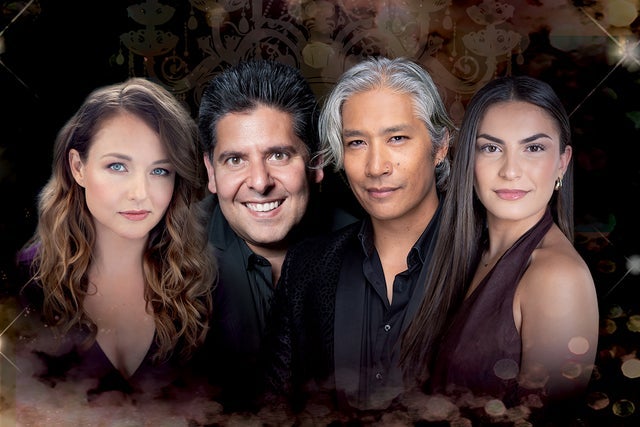
Sarah Brightman is the soprano who helped define Andrew Lloyd Webber's sound and carried it into pop-classical stages.
Theater roots, stadium reach
After decades on global stages, she leans on theater craft and cinematic mood more than diva drama. Expect a sweep through ALW and crossover highlights, with likely stops at
Think of Me,
Pie Jesu,
Time to Say Goodbye, and a Phantom medley that nods to
The Music of the Night. The crowd skews cross-generational, with theater-goers, voice students, and longtime fans who discovered her on PBS sitting side by side.
What the room feels like
You may notice quieter aisles during arias and a more vocal cheer for the big finales, which suits the pacing. Trivia fans will note she first broke out with the disco-sci-fi single
I Lost My Heart to a Starship Trooper, and that
Andrew Lloyd Webber wrote
Pie Jesu for his
Requiem, which she helped popularize. Because plans shift show to show, please take these setlist and production expectations as informed but not fixed. A chamber orchestra and small choir often join, keeping textures lush without drowning the voice.
The Sarah Brightman Scene, Quietly Lux
Formal but friendly
The room reads like a gala-lite, with black suits, sparkling shawls, and a few vintage Christine-inspired looks. People tend to chat softly about cast recordings and favorite productions before the lights dim. During quiet pieces, the hush is real, with applause held until the final breath fades instead of mid-phrase.
Traditions that travel
You will see program books, glossy posters, and tour pins in bags more than tees or neon. Flowers sometimes appear at the rail after the bow, a nod to theater custom rather than pop show antics. Call-and-response is rare, but a gentle hum from the crowd sometimes appears on familiar refrains, then stops quickly. The encore often turns into a standing salute rather than a singalong, with fans savoring the last chord. Outside the chatter is about arrangements, guest players, and which era of
Sarah Brightman's catalog they hope returns next.
How Sarah Brightman Sounds Up Close
Voice like glass, band like velvet
Sarah Brightman's voice sits bright and bell-like, and she shapes phrases by tapering the ends rather than punching the peaks. The conductor keeps tempos a hair slower than studio versions to let consonants read and to give the strings room. Rhythm comes mostly from harp arpeggios and soft timpani rolls, which keep the pulse without crowding the melody.
Arrangements that breathe
Expect arrangements to drop the band under cadences so she can linger on high notes before the orchestra swells back in. A subtle trick she favors is pairing woodwinds with her line, often english horn or oboe, to mirror her vibrato in Phantom material. In crossover numbers, piano takes the lead while pads and celesta color the top, so the sound stays clear even in big reverbs. Lighting follows the music, with cool sidelight for contemplative songs and a warm starfield for the finales, avoiding flash for flash's sake. When a duet is missing, the choir often carries the counter-melody, making the structure feel complete without a guest.
Kindred Spirits for Sarah Brightman Fans
Voices that favor melody over flash
Fans of
Andrea Bocelli will recognize the blend of orchestral sweep and intimate phrasing, plus the pop-classical mix.
Josh Groban draws a similar crowd that values clear storytelling and big dynamic arcs. Quartet lovers of
Il Divo appreciate handsome arrangements that keep the melody front and the rhythm understated.
Neighboring scenes
For a more theater-first lane,
Ramin Karimloo brings the Phantom lineage with a robust, modern rock edge that complements
Sarah Brightman's floating tone.
Katherine Jenkins hits similar repertoire with a warmer mezzo glow, which appeals to listeners who like elegance without vocal strain. If you enjoy how these artists handle crescendos, careful diction, and a touch of romance, this night sits in the same universe. The overlap is less about genre labels and more about how the shows balance orchestra, spotlight, and lyric-first delivery. That shared focus makes crossover bills feel coherent even when the languages change.