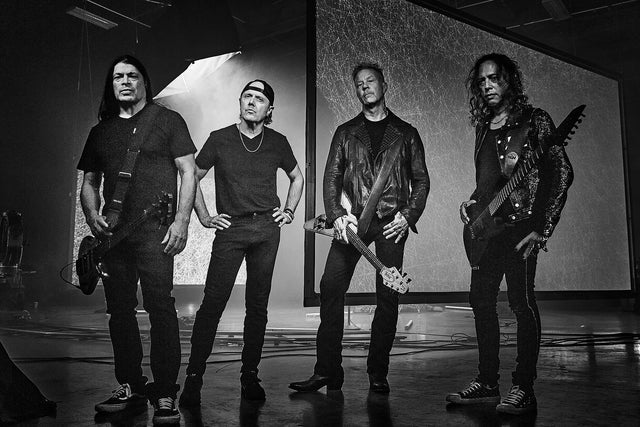
Bay Area roots, still sharp
Born in the Bay Area in 1981,
Metallica forged a fast, palm-muted sound that grew into arena-sized heavy metal. Recent years have centered on a renewed, steady run after a health pause and a fresh studio chapter with
72 Seasons, showing focus over nostalgia. Expect a set that moves from
Creeping Death and
For Whom the Bell Tolls to anchors like
Master of Puppets and
Enter Sandman. A newer burst like
Lux Aeterna often lands early to keep tempos high and hands in the air.
Who shows up, and why it clicks
The crowd skews multi-gen, with battle vests next to brand-new tees, and you will hear teens who found the band through a certain TV finale cheering the quiet parts. You catch patch traders comparing eras, drum-fill air players in the aisles, and families timing earplugs for the heaviest drops. Lesser-known note:
No Leaf Clover was written for the orchestra shows and thrives live, and those tight rhythm guitars on the
Black Album were doubled left and right for that wide crunch. Song choices and staging ideas here are drawn from recent runs, but the group can change plans on a whim.
The Metallica Microcosm Around You
Denim, patches, and pride
You will spot battle vests covered in city-specific back patches, fresh tour tees, and old white sneakers that nod to tape-trading days. Many fans swap stories about first shows while comparing limited posters and the small run of venue-only shirts. The loudest chant often lands on the "Die" breaks in
Creeping Death, a moment that feels communal rather than aggressive.
Rituals you can feel
Near the finale, branded beach balls sometimes rain down as people reach for a last pick or drumstick without pushing. Younger kids with ear protection sit on shoulders during ballads, and older lifers pace themselves to hit the big riffs hard. Conversations between sets lean toward gear, tuning rumors, and which deep cut might appear. Overall, it is a scene built on respect for the songs, small acts of kindness in the pit, and a collector mindset at the merch wall.
How Metallica Builds The Crush Live
Riffs first, then fireworks
The vocals favor bark with melody, with lines clipped just enough to ride the riff rather than float above it. Guitars lock into downpicked rhythms while leads lean on wah for color, and the bass keeps a round growl that fills space without mud. Drums push the front edge of the beat, giving older songs a hair more speed while newer tracks breathe between hits. Live,
Sad But True often drops a whole step for extra weight and a smoother sing, and the middle of
Master of Puppets can stretch for call-and-response claps.
Small choices, big impact
Arrangements stay close to record takes, but quick tags, false endings, and crowd-count intros keep it human. Lights hit in bold blocks with warm tones during
Nothing Else Matters and colder blasts on the thrash runs, while screens favor clean cuts over gimmicks. The band succeeds most when the rhythm guitars sit loud in the mix, letting drums and bass feel like one machine behind them.
If You Like Metallica, You Might Travel This Road
Kindred heavies, different flavors
Fans of
Megadeth often cross over thanks to tight riffing and sharp tempo shifts, and both bands reward deep catalog diehards. The current
Pantera shows attract those who want groove-heavy crunch and sing-along choruses that sit well between mid-90s cuts here.
Iron Maiden brings a melodic, galloping take that appeals to listeners who like long-form storytelling and harmonized leads.
Where tastes overlap
For a modern edge,
Gojira channels precision chugs, eco-minded themes, and a punchy live mix that pairs nicely with the headliner's low-end heft. If you chase guitar hero moments, these acts deliver clean solos you can hum, not just speed for its own sake. Crowd energy also lines up: big pits up front, pockets of careful listeners nodding to the drums, and plenty of smiles at classic intros. In short, the overlap is about tone, stamina, and a shared sense of craft on stage.