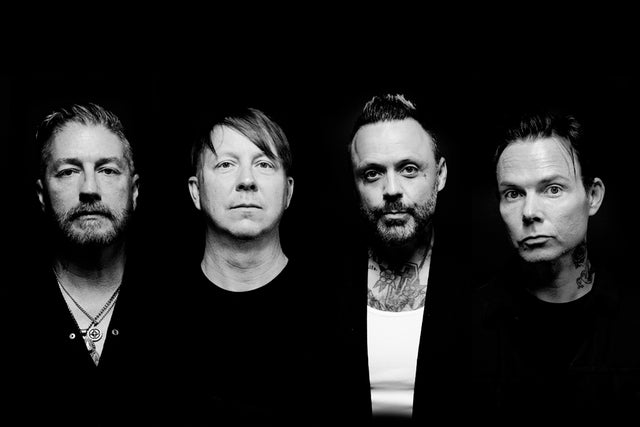
Houston roots, violin drama
Blue October came up in Houston in the late 90s, mixing alt-rock grit with violin-led drama, and
Foiled (2006) became their breakout. This anniversary run leans into that era, with Justin Furstenfeld's recovery and steadier voice giving the older songs a calmer edge.
A full-album moment
Expect a front-to-back
Foiled segment featuring
Hate Me,
Into the Ocean, and
18th Floor Balcony, with a few later favorites like
I Hope You're Happy as encores. The crowd skews longtime fans now in their 30s and 40s, plus younger listeners who found the band through streaming, all singing the big hooks without pushing. You might notice clusters of people trading memories during the voicemails that open
Hate Me, a detail pulled from a real call from Justin's mother. Another under-the-radar note: multi-instrumentalist Ryan Delahoussaye often runs his violin through an octave pedal to thicken choruses, which shaped the
Foiled sessions too. Lighting usually supports the mood with deep blues and stark whites, letting the lyrics carry weight over big effects. Note that any talk of the set and staging here draws from history and may differ on your night.
The Blue October Scene, Up Close
Blue hues and butterfly signals
You see a lot of deep blues and charcoal in the room, with worn
Foiled-era tees, denim jackets, and a few butterfly patches nodding to the cover art. Fans trade quiet nods during the opening voicemail of
Hate Me, then answer the chorus line by line without shouting over each other. During
Into the Ocean, the sway falls into a gentle three-count and some people clap on the one, which makes the room feel like it is floating. Couples and close friends post up together, and you will spot lyric tattoos and bracelets tied to personal recovery stories.
Shared lines, steady pulse
Merch trends lean toward silver-and-blue designs and anniversary vinyl, with the butterfly motif front and center. A few signs pop for
18th Floor Balcony proposals, but most keep phones down until the big choruses hit. Between songs, people share why a track mattered to them, and the band usually gives that space a beat of quiet before the next count-in. It is a respectful, present crowd that treats the heavy lines like a promise rather than a pose.
How Blue October Builds the Lift
Words first, sound second
Blue October keeps the vocals front and clear, with Justin Furstenfeld leaning chest-strong on verses and easing into a lighter edge on bridges. Guitars favor open chords and ringing sustain, and when they tune a half step down, the choruses feel darker and warmer at the same time. Ryan Delahoussaye threads violin through delay and an octave pedal so it behaves like a soft synth pad under the hooks.
Small moves, big impact
Drums sit mid-tempo and patient, holding back cymbals so the words land before the band swells. Live,
Into the Ocean often begins spare like a waltz before the full kit and bass lift it, while
X-Amount of Words gets a slightly brisker push than the studio. They also like to reframe
18th Floor Balcony, starting almost whispered and stacking to a wide, slow bloom by the last refrain. Visuals tend to be cool blues and white flashes that trace the emotional arc without stealing focus.
Kindred Currents for Blue October Fans
Neighboring sounds, shared hearts
If you connect with
Blue October's melodic rock and confession-forward lyrics,
Jimmy Eat World hits a similar lane with tight hooks and steady tempos.
Snow Patrol brings the slow-build anthems and gray-toned mood that echo the reflective pull of
Foiled. Fans of piano-led, earnest choruses often land with
The Fray, whose live shows favor clarity and sing-alongs over flash.
Switchfoot shares hopeful grit and guitar-driven uplift, and their crowds lean lyric-first in the same way. If you prize dynamic swells and cathartic codas,
Lifehouse sits nearby on the map even when they play it softer. Together these acts orbit modern alt-rock where big feelings meet sturdy songcraft.