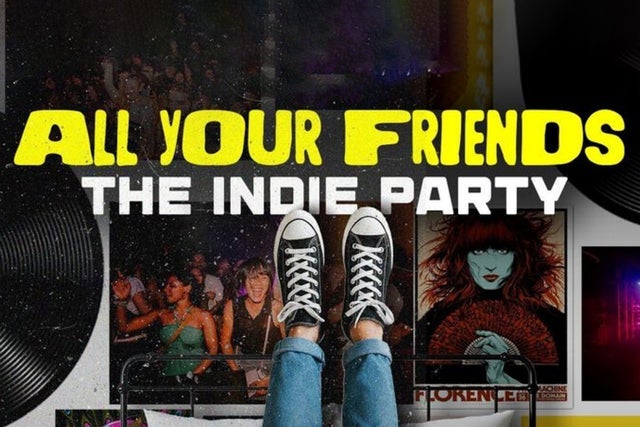
From blogs to big choruses
All Your Friends is a DJ-led indie dance night that pulls from bloghouse, indie rock, and glossy synth pop. The night traces its taste to the late-2000s era when bands and DJs shared the same floor. The focus is simple: guitar hooks and neon synths you can move to, stitched into quick, clean blends. Expect a run of communal singalongs, with likely spins like
Midnight City,
Take Me Out,
D.A.N.C.E., or
Kids.
Who shows up and why it works
You will see friend groups in vintage tees and well-worn sneakers, design kids next to service shift crews, and older indie fans out to dance rather than hover by the bar. A small but real quirk of this format is how many staples sit around 120-125 BPM, which lets guitar tracks glide over disco drums without clashing. Another under-the-radar detail: many blog-era singles have long intros and outros built for DJs, so transitions feel natural even when the chorus is huge. Keep in mind that both the song picks and staging ideas here are guesses based on recent nights, not locked plans.
The Little Rituals Around All Your Friends
Fix-ups, fits, and group chants
You will spot vintage band shirts, thrifted blazers, and hands-free crossbodies so people can dance without juggling stuff. Chorus hits spark big call-and-response moments, especially the oh-oh hooks and na-na lines from 2000s indie. Groups tend to face inward in loose circles during peaks, then fan back out when the beat settles.
Tokens of the night
Merch, when present, is usually small-run: stickers, a zine-style handout, or a simple tee with a clean wordmark. Photo habits skew quick and candid near the disco ball or projector, with phones down once the hook returns. The social code is friendly and practical, with lots of shared water breaks and space-making for people who want the front to dance hard.
How All Your Friends Builds the Room
Hooks first, beat second
The night is mixed for songs, not solos, so vocals sit upfront while kicks and claps carry the room. DJs favor tidy phrasing, dropping choruses on a downbeat so crowd voices land together. Guitar-led tracks get a light low-end boost and hi-hat sparkle, making them ride over a steady disco-house pulse.
Small moves, big lift
A subtle trick you may notice is tiny pitch shifts instead of big tempo jumps, which keeps familiar voices sounding natural. They like to loop a bar of drums before a chorus, then slam into the hook for a clean, shared lift. When a track leans mid-tempo, a remix with thicker percussion bridges the gap without losing the song's shape. Lighting tends to mirror the arc, with warm washes in guitar sections and cooler strobes when synth bass takes over.
Why All Your Friends Clicks with Certain Fans
Kindred sounds, shared floors
Fans of
Two Door Cinema Club will lock in to the bright, zigzag guitar lines and four-on-the-floor kick that this party favors.
The 1975 listeners lean toward sleek synth pop with big choruses, which maps well to the shinier segments. If your heart is with
LCD Soundsystem, the patient builds, cowbell textures, and shout-sung refrains hit the same nerves.
Phoenix fans will hear that airy, French-touch polish in the more disco-leaning moments. People who straddle indie and festival dance often also love
Tame Impala for its psych-pop thump, and those grooves fit cleanly between rock remixes.
One thread across styles
Across those lanes, the common thread is melody-forward tracks that tolerate tempo nudges without losing feel. So if you bounce between guitars and synths, this room speaks your language.