


Skip the line, beat the scalpers, and secure your tickets today. Select your show below to get started.
There are 12 active The Doobie Brothers: Walk This Road Tour presales right now.
Members have 1 working code ready to use.
Plus: 2 more passwords coming soon - select an event to be notified.
How to find The Doobie Brothers: Walk This Road Tour presale codes
If you're hunting for tickets, knowing where to look is half the battle. Promoters, venues, and artists often release promotional codes just hours or minutes before a ticket presale begins. To get reliable presale password info manually, your best bet is to closely monitor The Doobie Brothers: Walk This Road Tour across their social media platforms (as well as checking Spotify). Be prepared to refresh those pages constantly as the sale time approaches.
The Ultimate The Doobie Brothers: Walk This Road Tour Presale Code Finder
Why waste your time jumping between Live Nation, Ticketmaster, local venue releases, and scattered fan club emails? Skip the manual hunt. As a dedicated presale code finder, our system has already tracked down and verified 1 The Doobie Brothers: Walk This Road Tour presale code.
Takin' It Back: The Doobie Brothers on the Road Again
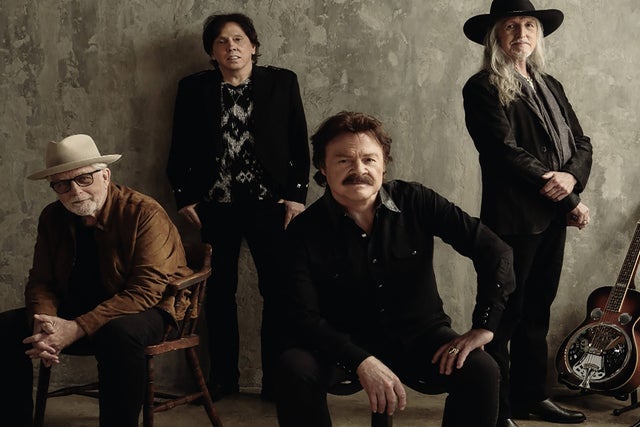
The Doobie Brothers are a California band that built a bridge between bar-band boogie and sleek soul, and they arrive with both eras back in play. The recent return of Michael McDonald alongside Tom Johnston puts their two voices in the same spotlight again, which reshapes the show around grit and glide.
Two eras, one stage
That means guitar-forward shuffles from Johnston-era records sit next to keyboard-rich slow burns from the McDonald years without feeling stitched on. Expect anchors like Listen to the Music, Long Train Runnin', Takin' It to the Streets, and What a Fool Believes, with room for a mid-set acoustic turn.Setlist clues and crowd energy
Crowds skew multi-generational, from longtime fans in sun-faded tees to younger listeners curious about the band behind so many radio staples, and the mood stays warm and attentive. Trivia heads will note that Black Water was a B-side that stations flipped into a No. 1, and that percussionist Bobby LaKind first worked their lights before joining the lineup. For clarity, any talk of songs and staging here comes from recent patterns and could shift by show night.The Doobie Brothers Scene: Denim, Harmony, and Road Stories
The scene leans friendly and unpretentious, with denim jackets, worn boots, and vintage script tees mixing with fresh merch from the current run.
Soundtrack to a road-trip memory
You hear big group claps drop right on the chorus of Listen to the Music, and the Black Water singalong often swings from soft to loud in waves. Between songs, fans trade stories about first cars, long drives, and the radio cuts that scored them, which gives the room a shared timeline feel. Posters and tees favor highway iconography and album-font nostalgia, while caps keep the palette clean and simple.Rituals without the fuss
A quick chant of Doobies pops up before encores, then fades into cheers as the band steps back out. You will spot parents with teens, groups of friends, and solo music nerds comparing notes on who sang which lead, and nobody rushes the exits when the house music starts. It feels like a gathering of people who value tight parts, good songs, and the kind of groove that makes conversation easy.How The Doobie Brothers Build the Groove
The Doobie Brothers balance three guitars and keys so parts interlock instead of pile up, leaving room for voices to sit on top. Tom Johnston brings a dry, road-worn edge, while Michael McDonald answers with a smooth baritone and piano voicings that round the corners.
Groove built in layers
The rhythm team keeps their classic dual-drummer feel alive with a kit plus dedicated percussion, which gives shuffles a rolling sway rather than a straight march. Arrangements favor clear intros, story-building verses, and dynamic bridges, with live tweaks like a faster push on China Grove or a call-and-response vamp as Takin' It to the Streets closes.Details the records hint at
John McFee often swaps to fiddle for Black Water, a move that colors the a cappella break and then snaps back into a river-flow groove. They stack four and sometimes five voices on big choruses so the studio polish lands without feeling stiff, and lights tend to bathe the stage in warm ambers and cool blues that match the mood shifts. Keys and guitars trade small fills between vocal lines, a simple tactic that keeps momentum while letting the hook breathe.Kindred Roads: The Doobie Brothers' Musical Neighbors
Fans who chase meticulous grooves and soulful hooks will likely also track to Steely Dan for the jazz-tinged chords and sardonic polish.