


Find The Doobie Brothers presale passwords here.
Scroll down for the performance list. Members get instant access to all presale codes. Click a yellow Subscribe link to join.
There are 2 The Doobie Brothers presales happening right now. Members have 1 code ready to use.Scroll down for the performance list. Members get instant access to all presale codes. Click a yellow Subscribe link to join.
Plus: 1 more password coming soon - select an event to be notified.
Get The Doobie Brothers presale tickets
| Citi® Cardmember Preferred Tickets |
|---|
There are 2 presales happening right now,
we have 1 different presale code.
Presale codes were last updated (3 months, 2 weeks ago) at 03-23 10:43 Eastern. Some presale codes are reserved exclusively for our members, learn why we do this here.
Presale codes were last updated (3 months, 2 weeks ago) at 03-23 10:43 Eastern. Some presale codes are reserved exclusively for our members, learn why we do this here.
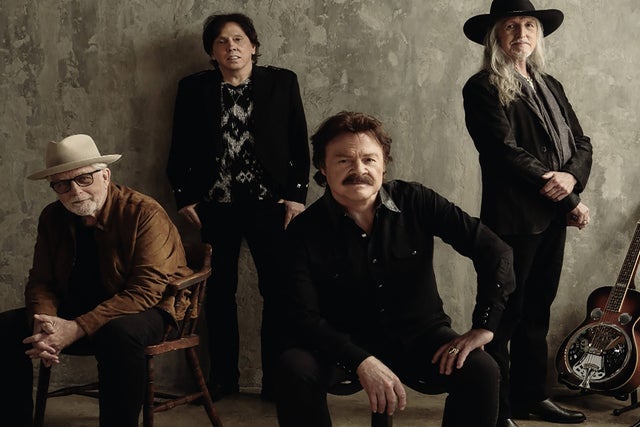
Right now there are presales for The Doobie Brothers with events scheduled in Wilmington, NC.
Rollin' Down The Years with The Doobie Brothers
Two Eras, One Band
[The Doobie Brothers] came up in San Jose, blending biker-bar boogie with soft-soul polish. In recent years, Michael McDonald has rejoined, reconnecting the silky keys era with the riff-forward strain led by Tom Johnston. That contrast shapes the arc, swinging from chugging guitars to piano-led R&B and back with ease. Expect anchors like Listen to the Music, China Grove, Takin' It to the Streets, and Black Water.People and Deep Cuts
The crowd is multigenerational, with faded tour shirts, denim jackets stitched with old patches, and families teaching younger fans the chorus parts. A nugget of lore: Black Water rose from B-side to No. 1 after DJs flipped the single, and Long Train Runnin' began as a nameless stage jam until producer Ted Templeman pushed for lyrics. These thoughts on songs and production are informed by recent runs, yet the band can shuffle the deck on any night.The Doobie Brothers Crowd, Up Close
Style Notes, Song Moments
The scene mixes vintage tour tees, crisp baseball caps, and patched denim pulled from closets that remember Toulouse Street. You also see newer fans in plain neutrals, phones down when the harmonies hit, and parents pointing out the twin-guitar blend during early boogie cuts. Chorus moments become markers: the room belts the call in Takin' It to the Streets, claps on the offbeat for Listen to the Music, and sings the river round in Black Water.Shared Rituals
Merch leans classic script logos, train art, and posters that nod to Bay Area roots without loud colors. Between songs, fans trade quiet gear talk about semi-hollow guitars and warm keys rather than shouting requests. The culture feels welcoming and curious, with a steady respect for craft and a soft spot for stories from the first time someone heard those harmonies on FM radio.How The Doobie Brothers Build The Sound Onstage
Stacked Voices, Rolling Pocket
Live, The Doobie Brothers center the blend of gritty leads and high harmonies, with Patrick Simmons and Tom Johnston trading textures while keys add that Michael McDonald silk when he is in the mix. Guitars split duties: a chugging rhythm keeps the train feel steady while fingerstyle parts and tasteful slide from John McFee color the edges. Drums and auxiliary percussion lock a shuffle that breathes, letting bass sit round and slightly behind the beat for sway.Little Tweaks That Matter
They often slow What a Fool Believes a notch live so the pocket blooms and the backing vocals speak. Black Water tends to stretch into an a cappella round before the final stomp, giving the room a shared pulse. On Listen to the Music, the coda can grow into a bright, handclap vamp, and Long Train Runnin' gets a harmonica tag and a quick double-time burst before the out.Doobie Adjacent: Who Travels Well With The Doobie Brothers
Shared Grooves and Harmonies
If you key into the stacked vocals and smooth keys in The Doobie Brothers, you will likely click with Steely Dan for their cool jazz chords and sly rhythms that reward careful listening. Fans who crave guitar fire and Latin percussion will find a bridge to Santana, whose jams land with similar lift when the grooves open up. For rootsy shuffle and swampy slide, Little Feat sits close, especially in the way both bands turn pocket shuffles into dance-floor movers.Why It Connects
Listeners who chase blue-eyed soul and road-seasoned storytelling often turn to Boz Scaggs, hearing the same West Coast polish and warm bass glide. All four shows value songs first but leave room for solos and interplay. The overlap is less about labels and more about feel, craft, and the pleasure of a tight band breathing together.Popular Concerts and Matching Presale Unlocking Codes
We are an independent information service and not associated with The Doobie Brothers.
Learn more