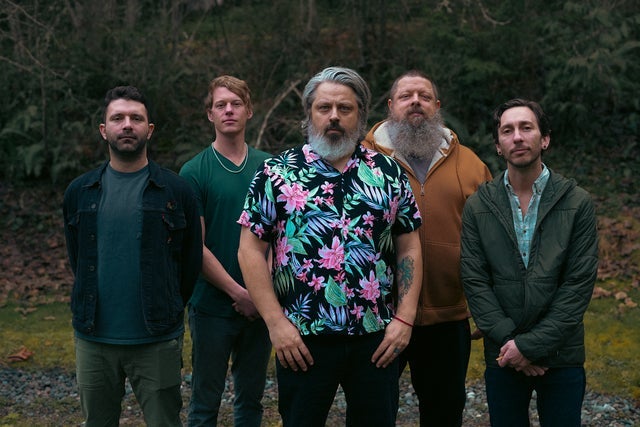
The Dear Hunter began as a studio project spun off from The Receiving End of Sirens, growing into a shape-shifting prog-leaning band with orchestral flair.
From Acts to Antimai
In recent years they paused the long
Acts saga to build the world of
Antimai, and Sunya reads like the next waypoint rather than a hard reset.
That context frames the show as a bridge between eras, where themes return in new colors and tempos tighten to put the story first.
Songs that might surface
Expect a set that balances narrative epics with melody-first choices, likely pulling in
A Night On The Town,
The Old Haunt,
Waves, and
Home.
The room usually blends lifelong followers comparing arc symbols on old tees with newer fans drawn in by lush harmonies and art-forward visuals.
Trivia worth knowing: many album strings start as detailed home demos by Casey before players expand them, and early runs often stitched
The Color Spectrum cuts into brief medleys between
Acts themes.
To be clear, these selections and production notes are informed guesses based on recent runs, not a promise of what you will see.
The Dear Hunter Scene, Up Close
What you notice in the lobby
Before the show, you see worn
Acts tour tees beside fresh
Antimai prints, plus enamel pins with ring symbols and color blocks nodding to
The Color Spectrum.
Many fans carry small sketchbooks or custom lyric journals, swapping pages with neat handwriting during set breaks.
You hear soft debates about deep cuts and where Sunya might sit in the lore, but the tone stays curious rather than territorial.
Shared rituals in the dark
During
A Night On The Town, the crowd often locks into a handclap break, while the refrain of
Waves turns into a warm unison sing.
Merch skews art-first with screenprinted posters, limited vinyl variants, and minimalist logo hats.
After the encore, people linger to talk arrangements, point out favorite woodwind lines, and trade recordings from earlier runs.
It feels like a book club for big-hearted rock, where details matter and newcomers get folded in quickly.
How The Dear Hunter Shapes the Night
Arrangements that breathe
Live,
The Dear Hunter centers on a clear tenor lead, with tight harmonies thickening choruses without crowding the lyric.
Arrangements start lean so hooks land, then add strings or synth pads to widen the frame as songs open up.
The rhythm section favors a deep pocket that makes shifting counts feel natural and danceable.
Guitars trade glassy arpeggios for gritty chords as dynamics rise, while keys and woodwinds paint around the edges.
Small choices, big impact
A subtle trick is a short stereo doubler on refrains, giving the voice width without smearing consonants.
They also connect songs with a soft drone or hand-percussion loop in a shared key, keeping momentum between titles.
Lighting usually mirrors these arcs—dim storytelling verses, vivid codas—so the focus stays on melody and movement.
Kindred Roads Around The Dear Hunter
Kindred complexity, big hooks
If you follow
Coheed and Cambria, you'll recognize the blend of story-driven rock and sing-along choruses that also powers
The Dear Hunter.
Fans of
The Mars Volta often enjoy adventurous rhythms and left-turn textures, which mirror
The Dear Hunter's taste for surprise within a song.
Thank You Scientist brings brass-forward prog-pop with tight precision, a neighbor to how
The Dear Hunter layers woodwinds, strings, and stacked harmonies.
If this resonates, try these
If your playlist flips between cathartic indie and widescreen arrangements,
Manchester Orchestra lives in a similar emotional lane.
These acts attract listeners who like big ideas grounded by melody, not just instrumental fireworks.
That overlap makes a
The Dear Hunter night feel like common ground for fans of concept rock, post-hardcore roots, and modern art-rock.