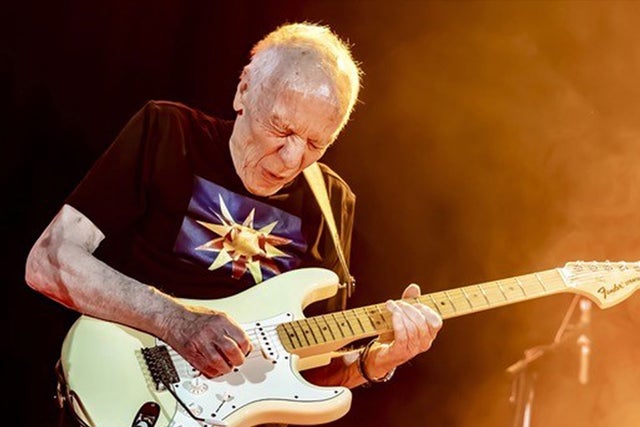
From Procol roots to solo fire
Setlist sketch and scene
Trower came up in London with
Procol Harum, then cut his own path on
Bridge of Sighs, shaping a heavy, vocal-like Strat tone. In recent years he has rotated singers and sometimes takes the mic himself, a shift that changes the color of the songs while keeping the slow-burn feel. Expect a set that leans on anchors like
Too Rolling Stoned,
Day of the Eagle, and
Bridge of Sighs, with a blues cut or two from
Joyful Sky if a guest vocalist is aboard. The room tends to mix longtime record-collectors and younger guitar heads, most standing quiet during solos and talking gear between numbers. Listen for long intros that start almost whisper-quiet before the band drops into a mid-tempo sway. Trivia heads: the title
Bridge of Sighs came from a racehorse, and engineer Geoff Emerick captured that chewy tone at AIR Studios with minimal overdubs. Take this as an informed sketch, not a promise; exact setlist and staging can change night to night.
Denim, Pedals, and Quiet Awe
What you see in the crowd
Shared rituals
You see faded denim, tour tees from different decades, and a few leather vests, but also plenty of younger players comparing calluses and camera-roll pedal boards. Many fans carry on hushed gear chat between songs, swapping notes about Uni-Vibe settings and string gauges. When a solo lands, the room stays still, then pops loud on the final sustain, a rhythm of respect that defines these nights. Chants are simple and short, often just Robin or Trower between encores, then it is back to a relaxed murmur. Merch tables favor
Bridge of Sighs art, clean black hoodies, and picks or posters that look good framed above an amp. You may spot nods to the
Procol Harum years on a pin or patch, but the mood is forward, focused on tone, time feel, and songs that still hit.
Tone Poems, No Frills
Slow burn, big color
Small choices, big payoff
The show is music-first, with the voice carried as much by the guitar as by the singer. Arrangements often start sparse, letting bass hold a simple figure while drums leave space on the cymbals, so the lead can swell and sting. Tempos sit in a patient midrange, which gives bends time to speak and lets the vibrato pedal do its swirl. A neat detail: he often tunes the Strat down a whole step for extra sag, so notes bloom and chords throb a little slower. Live, familiar riffs get nudged into new shapes, like half-time turnarounds on
Too Rolling Stoned or an extended coda for
Day of the Eagle that breathes before the final hit. The band supports this by staying dry and punchy, only kicking gain up for choruses, which makes the cleaner verses feel intimate. Lighting tends to favor cool blues and purples that frame the tones without chasing every accent.
Kindred Strings on the Road
Blues-rock neighbors
Why these fits work
Fans who love lyrical, sustain-heavy guitar will likely enjoy
Joe Bonamassa, whose shows balance finesse with big-room crunch. The punchy, modern-blues attack of
Kenny Wayne Shepherd hits a similar sweet spot, especially for listeners who like tight grooves and soaring bends.
Gov't Mule brings extended jams and a deep pocket, appealing to those who want long forms and grit.
Gary Clark Jr. blends soul and rock tones with blues phrasing, landing near this lane but with a more urban pulse. All four acts favor guitar as the narrator, use dynamics instead of flash to lift a chorus, and draw crowds who listen hard during solos. If you enjoy thick midrange tone, unhurried tempos, and songs that bloom on stage, these bills sit on the same shelf.