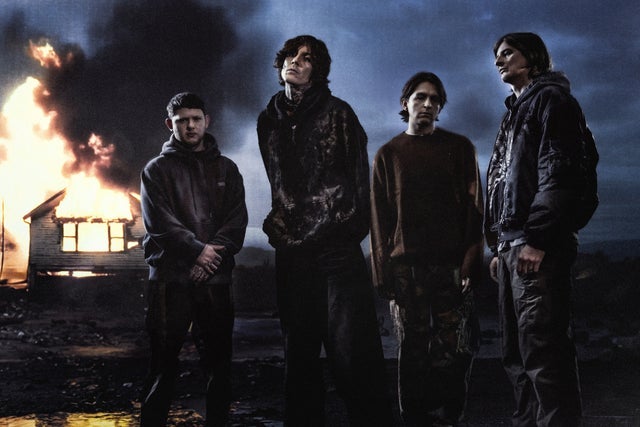
From deathcore roots to post-human pulse
Likely songs and who fills the room
Bring Me The Horizon rose from Sheffield in the mid-2000s, shifting from fierce deathcore to a sleek, heavy-electronic hybrid built for big rooms. The major wrinkle right now is the departure of longtime keyboardist and co-writer
Jordan Fish, which has pushed the group to rethink textures with touring synth support and more guitar-forward hooks. Expect a set heavy on
POST HUMAN: NeX GEn cuts, with anchors like
Can You Feel My Heart and
Throne driving early surges. Newer staples such as
Die4u and
Kool-Aid likely slot around mid-show drops to keep the room bouncing. The crowd skews mixed-age, from teens in platform boots and mesh to thirty-somethings in faded
Sempiternal florals, with plenty of ear-safe veterans nodding along near the desk. Quick trivia:
That's the Spirit was cut at Black Rock Studios on a Greek island, and
Oli Sykes's Drop Dead clothing early on doubled as a tour fund and visual identity. Another small note: the icy lead in
Can You Feel My Heart often rides a sidechained pad live rather than a simple static synth, giving the drops more space. For clarity, everything here about the songs and stage pacing is an informed forecast, not a promise of what you will see.
Bring Me The Horizon: the culture in the pit and beyond
Streetwear meets pit pragmatism
Shared rituals, not rules
You will see black techwear, chain details, and bold eyeliner next to vintage tour tees from the
Sempiternal and
That's the Spirit cycles. Fans trade DIY wristbands and lyric scraps at the barrier, and there is a friendly norm of checking on people after the big drops. Group shouts tend to land on the final chorus tags and the pre-break lines, with the kick drum counting everyone back in. Merch leans into glitch fonts and neon accents alongside soft-wash neutrals, a split that matches the band's heavy-meets-melodic lane. Between songs, in-jokes from old videos and studio streams still surface, but new fans slot right in because the cues are simple and physical. It feels less like a costume party and more like a movable club where melody and impact both matter, and where people give space when someone needs air.
Bring Me The Horizon: how the sound hits first
Hooks built for impact, not clutter
Small choices that make the big drop hit
Vocally,
Oli Sykes leans on a crisp mid-range yell that pops over the mix, then flips to airy cleans that sit on top of the synth bed. Guitars favor tight, palm-muted patterns in Drop C or lower, with bright octave hooks layered to keep choruses open. Drums lock to programmed kick patterns, often accenting offbeats so the drops feel like a dance break instead of pure chug. Live,
Bring Me The Horizon often trims intros and stretches bridges, turning breakdowns into call-and-response moments before the final hook. A small but telling habit is ducking guitars slightly when the sub hits, mimicking club-style pumping so vocals and snare stay clear. Keys and samples do more than glue parts, and they carry melody in verses before handing it back to guitar for the payoff. Lighting mirrors this arc with cold whites on the verses and saturated reds or acid greens on the drops, keeping eyes on the band rather than on props.
If you like Bring Me The Horizon, check these in the wild
Kindred heavies with a digital edge
If you connect with the dynamic loud/soft swings and digital grit,
Architects are a natural neighbor, trading in towering choruses and ethical intensity.
Bad Omens appeal to the same sleek-scream meets alt-pop crowd, with moody programming that lands well in big halls.
Spiritbox bring glassy atmospheres and cutting riffs, and the vocal agility draws many of the same fans who enjoy
Bring Me The Horizon at full tilt.
I Prevail lean into hip-hop cadence and breakdown bounce, which lines up with the band's pit-ready, chant-friendly moments. Across these shows you will find tight sample work, drop-tuned guitars, and a willingness to flip from whisper to roar in a bar. They also prize polished production without losing the communal shout-along core, which is a big part of why crowds overlap.