


Find Billy Idol presale passwords here.
Scroll down for the performance list. Members get instant access to all presale codes. Click a yellow Subscribe link to join.
Ticket presales give you access to blocks of tickets before the general public.
With a Billy Idol presale code, you can get tickets before the rush!
Scroll down for the performance list. Members get instant access to all presale codes. Click a yellow Subscribe link to join.
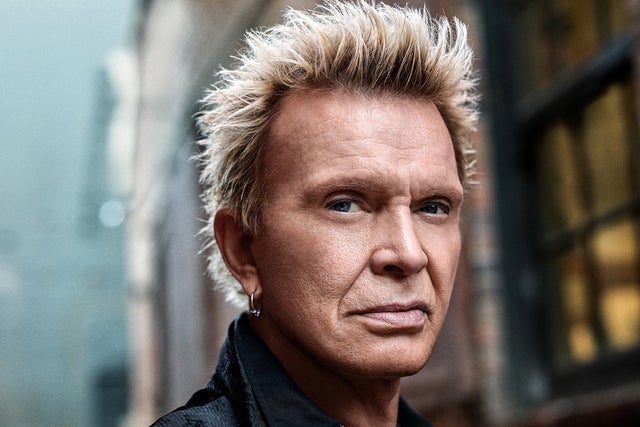
Right now there are presales for Billy Idol with events scheduled in Uncasville, CT.
Nice Day To Explain: Billy Idol
Billy Idol came up in UK punk with Generation X before going solo and fusing hard guitars with new wave gloss. Onstage he leans on longtime foil Steve Stevens, whose melodic flash sharpens the choruses without crowding the vocal.
Punk roots, radio hooks
Expect anchors like Rebel Yell, White Wedding, Eyes Without a Face, and Dancing with Myself, with a couple newer EP tracks tucked between. The room feels mixed in age and pace, from front-rail diehards who know deep cuts to casual fans happy to belt the hooks.What the room feels like
You will spot vintage jackets patched with early logos next to fresh merch, and the energy stays warm rather than pushy. Trivia heads note that the title Rebel Yell was inspired by a bourbon label at Studio 54, and Eyes Without a Face carries French whispers by Perri Lister. A mid-show guitar showcase from Steve Stevens often becomes a social pause where phones drop and ears open. Heads up: the likely songs and production touches mentioned here are educated guesses based on recent shows and may shift night to night.Culture in the Aisles: Billy Idol's Scene
Style cues you will spot
The scene mixes vintage and new: scuffed boots, leather or denim with safety pins, and fresh tees with the block IDOL logo. A few fans echo the bleach-blond look, but most opt for simple black layers and band pins tucked on lapels.Shared rituals, then and now
During Rebel Yell, the whole room answers the more, more, more lines in rhythm, and the beat gets louder without turning rough. Couples lean into the slow sway for Eyes Without a Face, and the phones rise just long enough to grab a verse before pockets again. Merch trends run toward tour posters with stark fonts, soft-wash hoodies, and retro baseball caps that nod to the early videos. Between sets, you hear people trading quick stories about first seeing Idol on TV or at a club, which adds a friendly, lived-in feel. After the encore, folks often linger to debrief the Steve Stevens solo flourishes and debate whether White Wedding or Rebel Yell hit harder that night.Grit and Gloss: How Billy Idol's Show Sounds
Hooks with bite
Vocally, Billy Idol sits in a grainy baritone now, leaning on clipped phrasing and well-timed yelps to sharpen the ends of lines. The band keeps arrangements tight: two guitars split duties so Steve Stevens can color on top while the rhythm side locks the groove. Drums favor a straight kick and snare pattern that leaves space for crowd claps, and tempos ride just a notch faster than the studio to lift the room.Subtle tweaks that land
You may hear parts down-tuned a half step, which thickens the riffs and lets Idol lean into his lower register without strain. A lesser-known treat is Stevens's nylon-string or flamenco-flavored interlude, which resets ears before the next burst of chugging rock. Several songs stretch with call-and-response tags or extended outros, especially on Dancing with Myself, where the band drops to bass and floor toms before slamming back. Lighting tends to track the dynamics in broad color washes, highlighting hits with cool strobes and warmer hues on ballads like Eyes Without a Face.Kindred Rebels: Billy Idol Fans Might Also Roll With
Same swagger, different stripe
Fans of The Cult often click with Billy Idol because both favor dark, mid-tempo stompers that bloom into shout-along hooks. Joan Jett & the Blackhearts bring the same tough, catchy riffing and straight-ahead drums that make Idol's hits move.Why these acts track
If you love rhythm-forward new wave and a charismatic sneer, Adam Ant lands in the same neighborhood, especially live where the toms punch. For fans who like mood with their muscle, The Psychedelic Furs deliver glossy 80s textures and baritone bite that pair well in playlists. The overlap comes from economy in the songs, choruses built to carry a room, and a shared flair for melody over pure volume. If you rotate these artists, you will recognize the balance of grit and gloss that keeps a Billy Idol show feeling immediate.Popular Concerts and Matching Presale Unlocking Codes
We are an independent information service and not associated with Billy Idol.
Learn more