


Scroll down for the performance list. Members get instant access to all presale codes. Click a yellow Subscribe link to join.
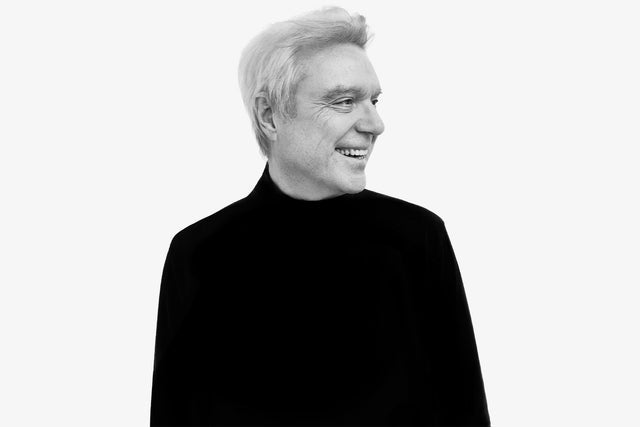
|
David Byrne
Cardiff Castle
Jul 26, 2026 • 5:00pm
Cardiff, GB
|
|
David Byrne
The Piece Hall
Jul 18, 2026 • 6:00pm
Halifax, GB
|
How to find Anna Calvi presale codes
If you're hunting for tickets, knowing where to look is half the battle. Promoters, venues, and artists often release promotional words just hours before a ticket presale begins. To get reliable presale password info manually, your best bet is to closely monitor Anna Calvi across their official social media platforms (as well as checking Spotify). Be prepared to refresh those pages constantly as the onsale time approaches.
The Ultimate Presale Code Finder
Why waste time jumping between Live Nation, Ticketmaster, local venue releases, and scattered fan club emails? Let us do the heavy lifting. Set an SMS alert on your specific performance above, and our automated presale code finder will instantly notify you the second a working Anna Calvi password is found.
Stop Making Sense, Again with David Byrne
David Byrne rose from the New York art scene as the voice and mind behind Talking Heads, blending funk, punk, and global rhythms into clear, odd pop.
Art-pop roots and reinvention
After the renewed shine from the restored Stop Making Sense, he has shifted from a fixed Broadway run to flexible shows that keep the mobile, percussion-forward spirit of American Utopia.Songs that anchor the night
Expect a set that pulls across decades, with likely anchors like Once in a Lifetime, This Must Be the Place (Naive Melody), Burning Down the House, and Everybody's Coming to My House. The crowd skews mixed in age and background, with art kids comparing zines near the merch table and longtime fans swapping bike-commute routes before lights drop. Two nuggets: he co-founded the Luaka Bop label to surface hidden pop from Brazil and beyond, and he shaped the preacher-cadence of Once in a Lifetime after hearing radio sermons. The room tends to feel curious rather than rowdy, with people leaning in for polyrhythms and then belting the big refrains. Please treat any setlist and production details here as informed guesses, not promises.The David Byrne Crowd, Up Close
You will see gray suits, slim ties, and white sneakers in the crowd, a playful nod to the big-suit era without full costume.
Style cues, not costumes
Many fans carry tote bags with clean type or old show buttons, and the merch table leans toward minimal designs and lyric pulls.Shared rituals in the room
The loudest chant moment is the "Same as it ever was" line, which people hit in tight unison and then laugh at the echo. During This Must Be the Place (Naive Melody), couples sway but the whole floor claps on the off-beats, giving it a heartbeat that feels communal. Between songs, you hear gear talk and book tips as much as gig stories, which fits the art-nerd energy around David Byrne. Fashion skews functional with a twist: bike caps, patterned socks, and a single bright jacket over neutrals. People leave comparing percussion parts and stage pictures rather than just chasing volume, which tells you what this scene values.David Byrne, Deconstructed and Rewired
David Byrne sings in a bright, slightly nasal tenor that cuts through dense rhythm parts without straining.
Rhythm first, then color
The band usually centers on interlocking guitars, multiple percussionists, and a rubbery bass that keeps the songs bouncing even when tempos sit mid-range. Arrangements often strip harmony to simple shapes so the rhythm can talk, a trick that lets small accents feel big.Small tweaks, big feel
In the American Utopia era, wireless rigs and a bare stage let players move as a drumline, and versions since often keep that mobile feel even with a few fixed risers. A neat detail: on This Must Be the Place (Naive Melody), they sometimes shift the bass pattern to keys or mallets so the guitar can chime in clipped bursts, spotlighting the vocal. Lighting tends to be clean and geometric, punching in on downbeats or isolating a soloist rather than flooding the room. When he revisits Talking Heads material, the group trims intros and pushes kick drum patterns forward, making familiar songs feel lean and immediate.Kinfolk for David Byrne Fans
Fans of St. Vincent will feel at home because her sharp, angular guitar pop and past work with David Byrne match his art-minded hooks.