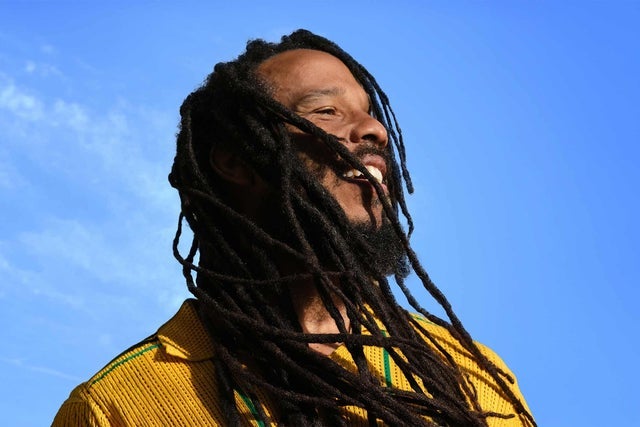
Born in Kingston and raised in the studio, Ziggy Marley carries the Melody Makers spirit into a lean, roots-forward solo show.
Seasons of roots and renewal
His sound blends classic one-drop rhythms with bright pop hooks and lyrics about family, faith, and justice. With his recent work shepherding the Bob Marley biopic, he has leaned even more into honoring the lineage onstage while keeping his own groove.
Songs that anchor the night
Expect anchors like
Love Is My Religion,
Beach in Hawaii, and
True to Myself, with a joyous Bob nod such as
Is This Love sliding into the coda. Crowds skew cross-generational: longtime Melody Makers fans, younger listeners who found him through the film or playlists, and families who know every chorus. You will see relaxed movement rather than moshing, flags draped like shawls, and small circles humming harmonies during the softer tunes. Trivia heads note that
Conscious Party had production help from Chris Frantz and Tina Weymouth, and that his first single at age 10 raised funds for the UN Year of the Child. Everything about songs and staging here is an informed read from recent runs and could shift show to show.
The Ziggy Marley scene, from clothes to chorus
Clothes, colors, and calm motion
The scene feels easygoing and thoughtful, with vintage Melody Makers shirts, linen button-downs, and knitted caps sitting next to new show tees. You will notice flag colors used as accents rather than costumes, from a wristband stripe to a scarf tied on a bag. Early in the night friends trade stories about seeing the family band in the 80s or finding Ziggy through the film, and the tone stays generous.
Shared rituals, gentle volume
Chant moments come without prompting, like the crowd echoing the One love line or humming the chorus of
Love Is My Religion between songs. Phone lights drift up during a Bob cover while pockets near the front hold a steady sway and soft harmonies. Merch leans toward eco fabrics, simple fonts, and vinyl reissues, and you will spot kids in earmuffs nodding along near the aisles. People make room for dancers and for elders, and the energy reads communal rather than competitive. After the last chord, many linger to finish a conversation or snap a quick photo of the setlist taped to a wedge.
How Ziggy Marley builds the groove live
Groove first, glow second
Ziggys voice sits light and steady, with a soft grit that rides on top of the offbeat guitar and deep, melodic bass. Live arrangements keep verses tight and let choruses open up, often stretching into a sing-back phrase before snapping to the next tune. The drummer favors a one-drop pulse and side-stick cracks, leaving space for bass runs that feel like a second melody. Horns double vocal hooks or answer them, while keys paint bright bubbles that lift the skank without crowding it.
Small moves, big feel
He likes to tag bits of Bob classics into endings, so a line of
Three Little Birds might appear after
True to Myself before the band dubs it out. A common mid-set shift is
Beach in Hawaii reworked slightly slower with hand percussion and three-part harmonies, giving the room time to breathe. Guitars stay clean and springy, sometimes with a capo to brighten the chop, and short delay throws on the vocal add depth without blurring words. Lighting warms the mood with sunset tones and gentle strobes during drops, serving the music rather than stealing focus.
Kindred roots for Ziggy Marley fans
Kindred grooves, different paths
Fans of
Stephen Marley will find the same warm harmonies and family-rock steady feel, especially when acoustic guitar leads the groove.
Damian Marley brings a heavier drum-and-bass thump and toasting, but his shows echo the same message-forward energy that powers a Ziggy set. Cali-reggae staples like
Rebelution share the sunny keys, head-nod tempos, and brass hooks that make an outdoor evening feel easy.
SOJA appeals to listeners who like jam-friendly builds and crowd-sung refrains that land on simple truths.
Where tastes overlap
If you lean toward hypnotic, echo-laced grooves,
Stick Figure maps to Ziggys relaxed pocket while trading in more ambient textures. Together these artists orbit modern roots reggae from different angles, so crossing between them feels natural.