


Skip the line, beat the scalpers, and secure your tickets today. Select your show below to get started.
Ticket presales give you access to blocks of tickets before the general public. With a Wolfe Tones presale code, you can get tickets before the rush!
How to find Wolfe Tones presale codes
If you're hunting for tickets, knowing where to look is half the battle. Promoters, venues, and artists often release promotional codes just hours or minutes before a ticket presale begins. To get reliable presale password info manually, your best bet is to closely monitor Wolfe Tones across their social media platforms (as well as checking Spotify). Be prepared to refresh those pages constantly as the sale time approaches.
The Ultimate Wolfe Tones Presale Code Finder
Why waste time jumping between Live Nation, Ticketmaster, local venue releases, and scattered fan club emails? Let us do the heavy lifting. Set an SMS alert on your specific performance above, and our automated presale code finder will instantly notify you the second a working Wolfe Tones password is found.
Ballads and Banners with The Wolfe Tones
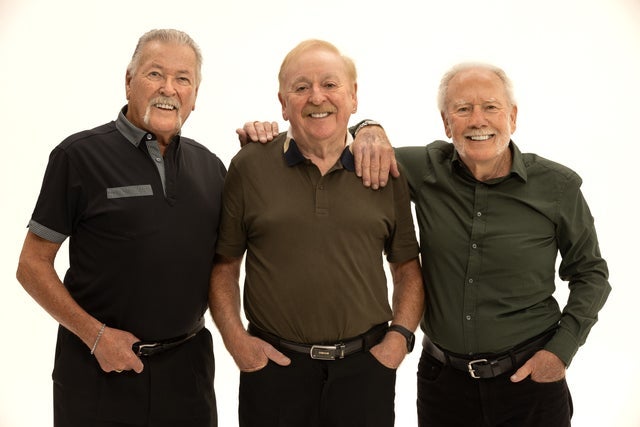
Formed in Dublin in 1963, The Wolfe Tones built a legacy on rebel ballads, street songs, and proud harmonies.
Sixty years of song and change
This current run has a farewell feel, with the veteran trio leaning into six decades of material and acknowledging the road winding down. Expect staples like A Nation Once Again, Joe McDonnell, Come Out Ye Black and Tans, and the tender Grace anchoring the arc.Setlist bones, singalong muscle
Crowds skew mixed and local-to-diaspora, from teens in club jerseys to parents with lyric knowledge, plus older fans who have followed them for years. One quirk worth noting is that Celtic Symphony was written for Celtic FC's centenary in 1987. Another nugget is how their 2020 surge put Come Out Ye Black and Tans at the top of Irish download charts after a national debate. Take these setlist and staging thoughts as informed guesses based on recent gigs, not a locked plan.The Wolfe Tones Crowd, Up Close
The scene around a show feels like a meetup of eras, with county jerseys sitting next to vintage folk tees and tidy button-downs. You will see flags folded over shoulders, flat caps and scarves in club colors, and a surprising number of parents with grown kids making it a shared night.
County colors meet folk history
Chants flare on cues, from the rolling chorus of A Nation Once Again to the louder bursts tied to Celtic Symphony, with most people reading the room and keeping it respectful. Between songs, fans trade memories of first records, swap verse variants, and point out small lyric tweaks that have appeared live over the years. Merch trends lean old-school: CDs, lyric booklets, song collections, and a plain crest tee that looks right under a jacket.What the crowd brings
The pre-show mood is patient and social, and the post-show habit is to keep singing bits of a chorus on the way out. It is a culture built on knowing the words, passing the stories forward, and giving the chorus back to the stage.How The Wolfe Tones Make It Hit Live
Live, the voices stack in close thirds, with the lead set just ahead of the beat and the response lines tucked warm beneath. Banjo and guitar carry most of the rhythm, while tin whistle colors the top line and steers the key changes between verses.
Folk engine room, tuned for voices
You will hear them pull tempos slightly faster than record on choruses to lift the room, then ease back for story verses. A subtle trick they use is lowering a few songs a whole step to keep the singalong comfortable without thinning the tone. They also extend codas on crowd favorites, letting the final refrain loop long enough for one more round of voices.Small shifts, big lift
Arrangements favor straight strum patterns and simple bass movement, which leaves space for the whistle to answer vocal phrases. Lighting stays warm and traditional with greens and ambers washing the stage, supporting the narrative mood instead of chasing spectacle.If You Like The Wolfe Tones, Try These
Fans of The Wolfe Tones often also turn up for The High Kings, whose polished harmonies and bodhran-driven lift echo the singalong core. The Dublin Legends carry the Dubliners' torch with fiddle, banjo, and pub-room storytelling that lands in the same folk tradition.