


Find W.A.S.P. 1984 TO HEADLESS presale passwords here.
Scroll down for the performance list. Members get instant access to all presale codes. Click a yellow Subscribe link to join.
There are 11 W.A.S.P. 1984 TO HEADLESS presales happening right now. Members have 2 codes ready to use.Scroll down for the performance list. Members get instant access to all presale codes. Click a yellow Subscribe link to join.
Plus: 2 more passwords coming soon - select an event to be notified.
Get W.A.S.P. 1984 TO HEADLESS presale tickets
| Amex Reserved Tickets | |
|---|---|
| Citi® Cardmember Preferred Tickets | |
| Réservés FOTL American Express Reserved |
There are 11 presales happening right now,
we have 2 different presale codes.
Presale codes were last updated (4 months, 3 weeks ago) at 02-11 11:11 Eastern. Some presale codes are reserved exclusively for our members, learn why we do this here.
Presale codes were last updated (4 months, 3 weeks ago) at 02-11 11:11 Eastern. Some presale codes are reserved exclusively for our members, learn why we do this here.
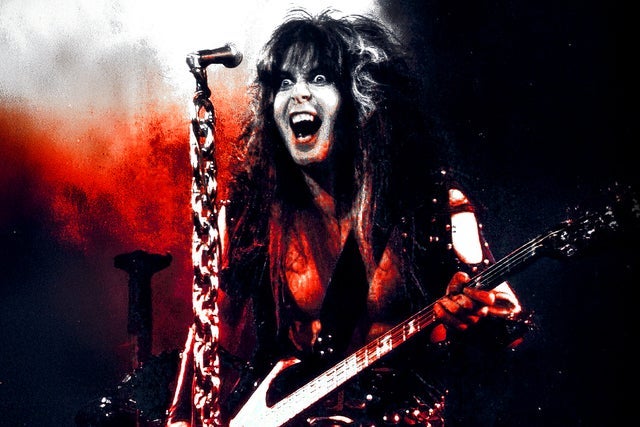
From Shock Rock to Steel: W.A.S.P. Rises Again
W.A.S.P. came out of early 80s Los Angeles with shock imagery and tough, melodic metal.
First four records, sharper edge
After a stretch of back trouble and surgery, Blackie Lawless returns with a show built around the first four records, from 1984 to The Headless Children. Expect a set that leans on I Wanna Be Somebody, L.O.V.E. Machine, Wild Child, and the title track The Headless Children. The room often mixes veterans in faded tour shirts with younger metal fans who know the big hooks by heart. Group vocals swell on the choruses while the band hits tight stops that make the riffs pop.Deep cuts and studio lore
Lesser-known note: keyboard great Ken Hensley added organ lines to The Headless Children, which is why those songs carry extra weight live when keys are layered in. Another bit of lore is that Animal (F* Like a Beast)** was kept off the original debut by label pressure and circulated as a separate single. Guitars are often tuned a half-step down on stage, giving the sound more size and easing the upper range for vocals. Please note, the song picks and staging details here are educated guesses based on recent shows and history, not a confirmed plan.Patches, Chants, and That W.A.S.P. Glow
Sunset Strip echoes today
You will see black denim vests with sawblade logos, battered boots, and fresh shirts using The Headless Children art. Some fans carry stories from the Sunset Strip days, while others discovered the band through clips and crank the same chants.Call-and-response pride
Expect loud callouts of I wanna be somebody before encores and a swing of fists on the beat rather than hard pits. Merch tables lean old-school with bold logos, tour-date backs, and a few nods to the PMRC era that first pushed the band into headlines. People tend to respect the showmanship, keeping phones down for the big hits and raising them when the lights bathe the room red. After the set, you hear talk about tone, about the way the choruses lift, and about how these songs still feel ready for a small club even in big rooms.Sound First: How W.A.S.P. Hits Live
Hooks carried by muscle
Blackie Lawless now sings with a darker edge, and W.A.S.P. stacks backing vocals to keep the choruses wide. Riffs stay palm-muted and punchy while leads stretch notes rather than race, letting the hooks breathe. The rhythm section drives in straight lines, often nudging tempos a notch above the album to add urgency before dropping back for singalongs.Smart tweaks, bold colors
Doug Blair colors solos with pinch harmonics and the odd whammy dip, and he sometimes mirrors main melodies to make them stick. A lesser-known habit is the half-step-down tuning across much of the set, which fattens chords and shifts vocal keys without losing bite. Live arrangements often keep verses tight and expand middle sections for crowd calls, especially on Wild Child and Blind in Texas. Visuals tend to be bold color washes and sharp white spots that cue chorus hits rather than busy video walls.If You Like These, You Will Find W.A.S.P. Familiar
Theater, hooks, grit
If you enjoy Alice Cooper, you will recognize the same love of theater wrapped around straight-ahead rock riffs. Fans of Judas Priest often click with W.A.S.P. because both acts favor twin-guitar drive and ringing, crowd-led refrains.Streets to arenas
Skid Row brings Sunset Strip grit and similar mid-tempo stomp that makes choruses hit hard. For tighter European riffing with melody and barked callouts, Accept sits close on pacing and tone. Listeners who follow Quiet Riot will find the same big-chorus 80s metal spirit and a show that prizes rhythm you can shout with.Popular Concerts and Matching Presale Unlocking Codes
We are an independent information service and not associated with W.A.S.P. 1984 TO HEADLESS.
Learn more