


Scroll down for the performance list. Members get instant access to all presale codes. Click a yellow Subscribe link to join.
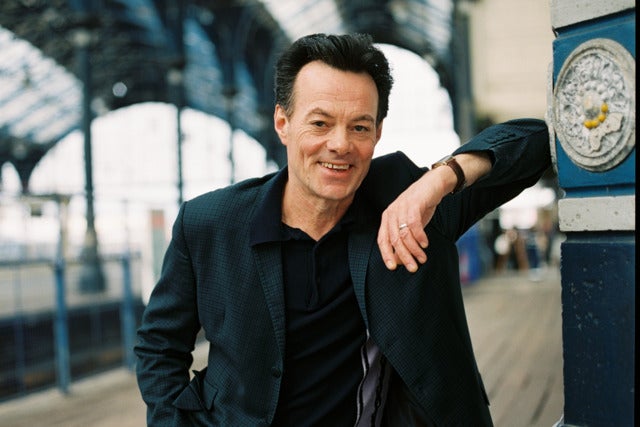
Right now there are presales for The James Hunter Six with events scheduled in New York, NY.
Soul school in session with The James Hunter Six
James Hunter is a British soul singer-guitarist who came up gigging in seaside pubs before forming the hard-working Six. The group leans on early R&B, doo-wop shadings, and a touch of Jamaican blue beat, but it feels lean and modern rather than dusty.
Pub roots, tape-warm soul
Trivia: He once cut vocals for Van Morrison, and his early alias was Howlin' Wilf, a nod to jump-blues swagger. Expect the set to pull from People Gonna Talk, Mollena, Minute by Minute, and I Can Change Your Mind, with brisk tempos and tight horn breaks. The room usually splits between longtime mod and Northern Soul fans and newer Daptone devotees, with many actually dancing rather than filming. Another small quirk: the band favors tenor and baritone sax together for a round, woody punch that keeps the guitar crisp in the middle.What you might hear
Production stays dry and warm, a carryover from the crew's habit of tracking live to tape at Daptone's House of Soul with minimal overdubs. Note: song choices and staging details here are educated guesses based on past tours, not a confirmed plan.The James Hunter Six crowd, from sharp suits to spin steps
The scene skews welcoming and detail-minded, with sharp suits, narrow ties, polished brogues, and well-loved denim sharing space with retro dresses and cardigans.
Soul-night wardrobes in the wild
You will spot Northern Soul patches, Daptone tees, and a few thrift-store wool coats made for cool night air, plus a handful of fresh 45 boxes. People dance in pairs when the shuffle hits, then lean in and quiet down for the torch tunes, clapping back on the off-beats when cued. A common ritual is singing the horn hook on People Gonna Talk, a cheerful blur of ba-da lines that the band often tags before the last chorus.Dances, rituals, and 45s
Merch tends to be practical and analog-forward: screenprinted posters, small-run LPs, and sometimes a couple of 7-inch singles that sell out before the encore. Conversation leans toward favorite pressing versions and who caught an early club set, and there is an easy mix of ages from first-timers to lifers. Phones do come out for a quick snap, but most tuck them away to keep the floor moving and the groove front and center.How The James Hunter Six make classic soul feel newly minted
The vocal sits upfront, slightly sandpapery but clean, and the phrasing leans just behind the beat for a relaxed pull.
Voices, spaces, and snap
Guitar sticks to clipped upstrokes and small fills, leaving air for the two-sax frontline to punch choruses without blare. Drums favor a dry snare and light ride patterns so the groove feels nimble, and the bass walks or bumps rather than drones. Arrangements are short, smart, and built on turnarounds that invite call-and-response, with brief spots for organ or sax to answer the vocal.Small choices, big feel
Live, tempos often nudge a notch faster than on record, and codas stretch into stop-time hits that let the crowd clap the twos and fours. A lesser-known move: the horns often double in unison on hooks instead of harmonizing, which yields a vintage radio punch that suits small rooms. Lighting tends to be warm and static, just enough to outline silhouettes and keep attention on tone and timing.If you like The James Hunter Six, try these on the road
If you like crisp, retro-minded soul with grit, Nick Waterhouse brings jump-blues bite and taut rhythms that land close to this lane.