


Find Scorpions Coming Home To Las Vegas presale passwords here.
Scroll down for the performance list. Members get instant access to all presale codes. Click a yellow Subscribe link to join.
There are 16 Scorpions Coming Home To Las Vegas presales happening right now. Members have 1 code ready to use.Scroll down for the performance list. Members get instant access to all presale codes. Click a yellow Subscribe link to join.
Plus: 8 more passwords coming soon - select an event to be notified.
Get Scorpions Coming Home To Las Vegas presale tickets
| Citi® Cardmember Preferred Tickets |
|---|
There are 16 presales happening right now,
we have 1 different presale code.
Presale codes were last updated (4 months, 3 weeks ago) at 02-17 11:05 Eastern. Some presale codes are reserved exclusively for our members, learn why we do this here.
Presale codes were last updated (4 months, 3 weeks ago) at 02-17 11:05 Eastern. Some presale codes are reserved exclusively for our members, learn why we do this here.
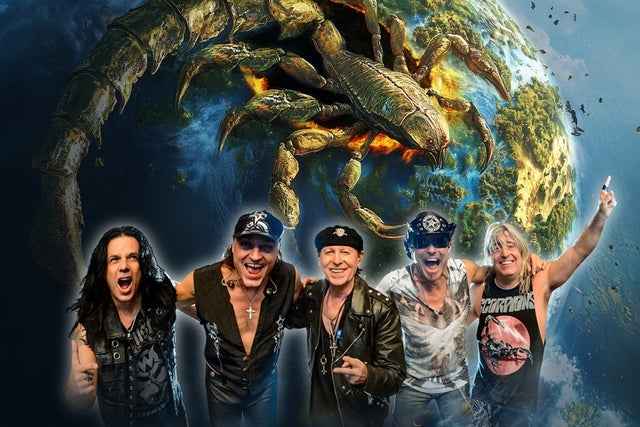
Right now there are presales for Scorpions Coming Home To Las Vegas with events scheduled in Las Vegas, NV.
Find more presales for shows in Las Vegas, NV
Show Scorpions Coming Home To Las Vegas presales in more places
Neon Whiplash: Scorpions in Vegas
From Hanover basements to Strip marquees
Whistles, riffs, and a heavier engine
Scorpions started in Hanover, mixing sharp riffs with big hooks, and this Vegas run spotlights the core years of Blackout and Love at First Sting. A recent shift frames the mood, as former long-time drummer James Kottak passed in 2024 while Mikkey Dee now powers the kit with a harder swing shaped by Motorhead. Expect staples like The Zoo, Still Loving You, Wind of Change, and Rock You Like a Hurricane landing across the night. The room tends to mix leather-vest lifers, couples reliving radio years, and newer rock fans, with many softly whistling that famous intro before the band plays it. Trivia fans note that Klaus Meine nearly lost his voice before Blackout, then returned with a brighter top end that shaped their sound. Another small note: live takes on The Zoo often feature a snarling talk box to echo the studio bite. Note: any setlist guesses and production mentions here are informed hunches, not confirmed details.Life in the Aisles: Scorpions Fans, Style, Rituals
Denim, patches, and the whistle
Shared memories, new voices
You will see black tour shirts from different decades, denim vests with stitched back patches, and a few sharp Vegas fits mixing boots with bright jackets. Before Wind of Change, clusters of fans practice the whistle under their breath, and some hold up small flags from Germany, Brazil, and beyond. During Rock You Like a Hurricane, there is a clean call-and-response on the title line, with hands up on the snare hits rather than phones in the air. Merch lines favor vintage fonts and the classic tail-stinger logo, plus drumstick keychains that nod to the current lineup. Between songs, older fans trade stories about radio premieres and Moscow clips, while younger fans film guitar parts to learn later. The tone is friendly but focused, more about singing the hooks and cheering tight stops than chasing spectacle.How Scorpions Build the Bite: Sound First
Twin guitars, tuned for lift
Rhythm that punches without rush
Klaus Meine now favors a warm middle range live, with careful breath choices that keep long notes steady rather than pushed. Guitars from Rudolf Schenker and Matthias Jabs split duties, one holding the crunchy chords while the other colors with slides, talk box, or short melodic runs. Many songs are played a half-step lower than the old records, which gives the riffs extra weight and lets the vocals sit comfortably. The band often stretches a mid-set piece like The Zoo or a 70s medley so the rhythm section can lock a slow groove before snapping back to tempo. Mikkey Dee hits with a round kick sound and crisp cymbals, pushing choruses forward without racing the beat. Simple, bold lighting in red and white frames the hits, while guitar solos get a cooler blue wash so the phrasing reads clear. When the finale hits, the chords are kept tight and short so each chant line lands like a drum fill.If You Like Scorpions: Kindred Road Warriors
Melodic crunch, big choruses
Neighbors on the arena map
Fans of Aerosmith will hear the same bluesy stomp under shiny hooks, with a similar push-pull between grit and polish. Def Leppard attracts listeners who love harmony guitars and huge singalongs, which mirror the way Scorpions stack choruses. If you like the steel-edged attack of Judas Priest, you may enjoy the tighter, faster moments when the band leans into speed and twin-guitar lines. Whitesnake overlaps on the power-ballad side and the sleek stage craft that makes the mid-tempo songs feel large. All four acts draw multi-gen rock crowds who know the words and care about tone, not just volume. The overlap comes from shared late-70s and 80s radio DNA plus a live show that rewards chorus-first writing.Popular Concerts and Matching Presale Unlocking Codes
We are an independent information service and not associated with Scorpions Coming Home To Las Vegas.
Learn more