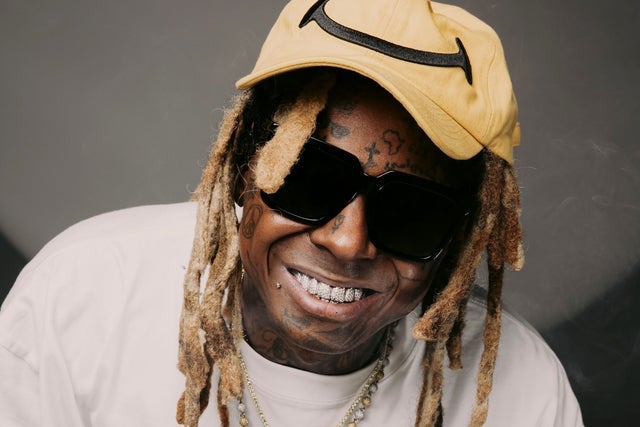
Lil Wayne turned New Orleans mixtape prodigy into a shape-shifting headliner, and this run marks two decades since Tha Carter defined his voice.
Two Decades of Carter Grammar
The focus is the arc from
Tha Carter II through
Tha Carter V, with
The Game stepping in as a special guest. Expect elastic flows over DJ-first production, and a pace that favors medleys to cover years fast. Likely anchors include
Go DJ,
A Milli, and
6 Foot 7 Foot, plus a joint moment on
My Life to salute their link.
What The Night Might Sound Like
The room skews wide, with longtime fans mouthing 2000s mixtape ad-libs near newer listeners who entered during
Tha Carter V. You will spot skate tees, classic Bapestas, and Young Money caps, but the focus stays on the bars more than the fit. Trivia worth noting: the beat for
A Milli was left almost bare so
Lil Wayne could treat it like a cipher, and
Lollipop features
Static Major recorded just before his passing. For clarity, the set and production notes here are informed projections and could shift notably depending on the city.
The Scene Around Lil Wayne: Style, Chants, and Mixtape Pride
What You See
The floor fills with vintage mixtape tees, skate shoes, and trucker hats dotted with small brand pins. You hear Tunechi chants between songs and the lighter-flick gesture whenever
Tha Carter titles are teased on screens. People swap favorite bar setups from
Dedication 2 and
No Ceilings, and smiles pop when a DJ cues an old drop.
Shared Language
Merch leans into bold text, cover flips from
Tha Carter III, and zines that map the eras. The mood is casual and focused, like a rap rehearsal where everyone already knows the cues, right down to the Young Mula call. After the last song, debates spark over which
Tha Carter track hit hardest and which feature verse he skipped, and that back-and-forth feels like part of the show.
Lil Wayne Live: Flow First, Beat Smart
Flow Up Front
Lil Wayne pushes a dry, cutting vocal up front, often rapping over show edits where the studio lead is turned low so his live voice sits on top. The DJ keeps tempos brisk, trimming intros so verses land fast, then stitches songs into medleys when momentum peaks. On melodic staples like
Lollipop or
How To Love, light tuning sweetens the edges while the band, when present, holds a steady pocket.
Arrangements That Snap
He favors first verse and hook builds, then pivots to a feature-verse snippet as a connector, which keeps the catalog moving without dead air. A neat quirk is the beat drop on punchline bars, letting the crowd finish the thought before the kick returns. Guitar and live drums can color the rock-leaning cuts, but the core stays 808s and bright hats, with lighting accents that punch the drops rather than tell long stories.
If You Like Lil Wayne, You Might Click With...
Overlapping Fanbases
Fans of
Drake often align with
Lil Wayne thanks to melodic hooks over heavy drums and their shared Young Money roots.
Nicki Minaj devotees will recognize quick-switch flows and animated deliveries that pierce through big-room mixes. If you enjoy
2 Chainz, the elastic punchlines and tag-team heat on collab moments land in the same lane.
Why These Bills Match
Rick Ross fans overlap too, drawn to luxurious instrumentals and veteran pacing that lets verses breathe. These artists tour with a similar balance of marquee cuts and mixtape favorites, rewarding listeners who catch the wordplay in real time. On this bill,
The Game lines up with darker storytelling and West Coast grit that frames
Lil Wayne's sharper cadences.