


Find Jon Batiste Jon Batiste Live presale passwords here.
Scroll down for the performance list. Members get instant access to all presale codes. Click a yellow Subscribe link to join.
Ticket presales give you access to blocks of tickets before the general public.
With a Jon Batiste Jon Batiste Live presale code, you can get tickets before the rush!
Scroll down for the performance list. Members get instant access to all presale codes. Click a yellow Subscribe link to join.
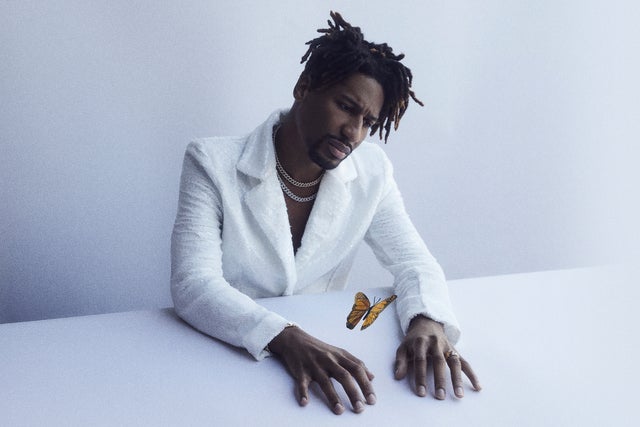
Right now there are presales for Jon Batiste Jon Batiste Live with events scheduled in Berkeley, CA.
Key Changes with Jon Batiste
From parade routes to concert halls
Jon Batiste grew up near New Orleans and blends second-line bounce with Juilliard polish and pop melody. After years leading The Late Show band, he shifted focus to his own projects, and that choice makes these nights feel more personal and story-driven. Expect a set that moves from street-parade joy to hush-and-listen piano pieces, with likely spots for WE ARE, FREEDOM, I NEED YOU, and Calling Your Name. The crowd often mixes jazz nerds, curious pop fans, music students scribbling rhythms, and families who join the claps without overdoing it. Trivia: he calls his melodica the harmonaboard, and he served as creative director for the National Jazz Museum in Harlem. Another note: he co-composed the Soul score, which sharpened his sense for cinematic builds on stage. You might see him step from the bench to spark a mini second-line in the aisles, then settle back for a quiet hymn. These setlist and staging ideas are educated projections, not promises of exactly what you will see.Songs that lift, grooves that wander
The Jon Batiste Crowd, Up Close
Second-line style, concert manners
You will spot sharp suits and bright sneakers near the rail, but just as many folks in denim with pocket handkerchiefs ready for a second-line wave. Before downbeat, small groups compare New Orleans trips, choir gigs, or music school juries, which sets a patient, friendly tone. Mid-show, the room often shifts from clap patterns to a soft hum so the piano can land, then bursts back into shouts on a simple cue. Merch leans musical: vinyl for WE ARE and World Music Radio, date tees in bold colors, and the occasional harmonaboard sketch. People tend to linger after the bow to trade notes on which vamp hit hardest or how a reharmonized chorus changed the mood. The culture stays inclusive and curious, with fans happy to explain a second-line step or point out a gospel turnaround without drowning out the music.Shared joy, careful listening
How Jon Batiste Builds the Room's Pulse
Piano first, then the wave
Jon Batiste sings with a light grain that can swing from sermon to whisper, and he uses short phrases to spark call-and-response. The band sets the table around the piano: drums lean on a loose parade bounce, bass rides simple roots, and horns paint edges so the keys can lead. Arrangements often start tidy, then open into vamps where a tossed-off riff becomes the hook everyone echoes. He swaps to the harmonaboard for a bright reed voice that cuts the mix and lets him roam the stage. A frequent live move is turning St. James Infirmary from a slow march into a grinning, high-step groove to release the tension. Tempos breathe rather than grid-lock, so codas stretch or snap short, keeping ears alert. Lights track the music in warm reds and golds, focusing tight on the keys before widening for brass shouts. Listen for left-hand gospel patterns under right-hand blues curls that give simple chords a lived-in feel.Grooves that flex, colors that glow
If You Like Jon Batiste, You Might Vibe With...
Kindred spirits on the road
Fans of Jacob Collier will recognize adventurous harmony and crowd-shaped moments, though Batiste keeps the grooves earthier. Kamasi Washington overlaps in spiritual jazz arcs and patient builds that still feel open to first-timers. If you like bright, pocket-heavy shows with smiles and snap, Anderson .Paak points to a similar funk-forward release. Lizzo fans may connect with brass bursts, choir lifts, and affirming messages, even as the piano and jazz roots stay in front. For ensemble fireworks and precision hits, Snarky Puppy offers the same itch-scratch for tight vamps and clever breaks.Shared grooves, different colors
Popular Concerts and Matching Presale Unlocking Codes
We are an independent information service and not associated with Jon Batiste Jon Batiste Live.
Learn more