


Scroll down for the performance list. Members get instant access to all presale codes. Click a yellow Subscribe link to join.
|
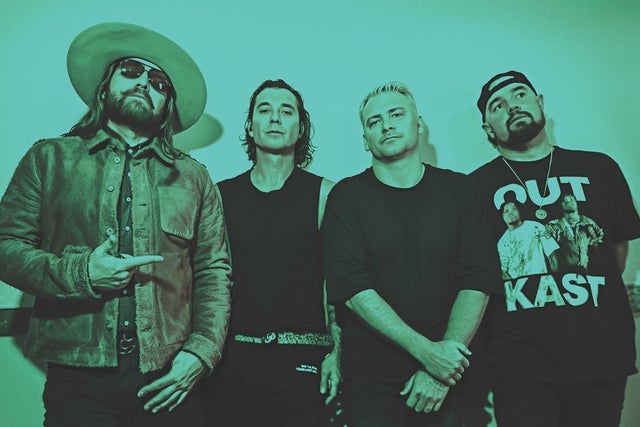
Bush with Special Guest JJ Wilde
Casino Rama Resort
Jul 26, 2026 • 8:00pm
Rama, ON
|
|
Bush with Special Guest JJ Wilde
The Colosseum at Caesars Windsor
Jul 23, 2026 • 8:00pm
Windsor, ON
|
|
JJ Wilde
PARK THEATRE
Nov 2, 2024 • 7:00pm
Winnipeg, MB
|
Zen and Now with Bush
Bush came up in early 90s London and broke big on U.S. alt radio with grinding guitars and sharp hooks. After a long pause in the 2000s, the band is marking three decades since Sixteen Stone, leaning on a lean, high-impact identity.
Grunge polish, Brit grit
You can expect a front-loaded hit run with Machinehead, Everything Zen, and Comedown, with Glycerine saved for late. The room skews mixed, from longtime fans in sun-faded band tees to younger rock listeners and JJ Wilde diehards who welcome the raw edges.Small details fans notice
A neat quirk is that the studio Glycerine has no drums, which makes the live version feel extra stark when it is just voice and guitar. They favor drop-D and slightly lower tunings, so riffs feel thicker without speeding up. The band first broke in America before catching wider fire at home, and that still shapes their pacing and song order. For clarity, these set ideas and production notes are an informed read of recent stops and could change on the night.Bush People: The Scene in Real Time
The scene tilts relaxed and practical, with worn band tees, flannel layers, and matte boots outnumbering flash. You will spot some newer fans mixing in leather jackets and clean white sneakers, a nod to rock radio now.
90s roots, present-tense energy
During Machinehead, the call-and-response on "breathe in, breathe out" lands loud without anyone needing a prompt. Comedown turns into a chorus swell that feels communal, while phones rise for Glycerine only after the first verse.Shared rituals, low drama
Merch leans on Sixteen Stone graphics and a bold B logo, plus a few softer neutral hoodies that pair with streetwear. Pre-show talk often swaps first-show memories and playlist tips, but the energy stays focused on the songs more than the scene. Leaving the venue, conversations are about riffs, not selfies, which suits Bush and their no-drama stance.Bush Under the Lights: The Sound That Carries
Live, Bush lead with a chesty vocal that cuts through the guitars without chasing high notes. Arrangements breathe, with verses pared back to bass and kick so choruses leap when the full guitars return.
Weight in the riffs, air in the choruses
The band often tunes down a step or uses drop D, giving the riffs extra weight while keeping tempos mid-range. Drums favor tom patterns on refrains instead of open cymbals, which keeps the low-end punch steady. A common tweak is a half-time tag at the end of Comedown so the crowd can sing the refrain over ringing chords.Little tweaks that change the feel
You may also hear a guitar swap to a baritone for the chug in newer cuts, a small change that thickens the center of the mix. Lights run cool whites and warm ambers that pop on big hits, with a simple video wall adding grainy texture rather than busy storylines.Bush Adjacent: Kindred Road Warriors
Fans of Bush often cross with Stone Temple Pilots, where big choruses ride muscular riffs and a moody lead voice.