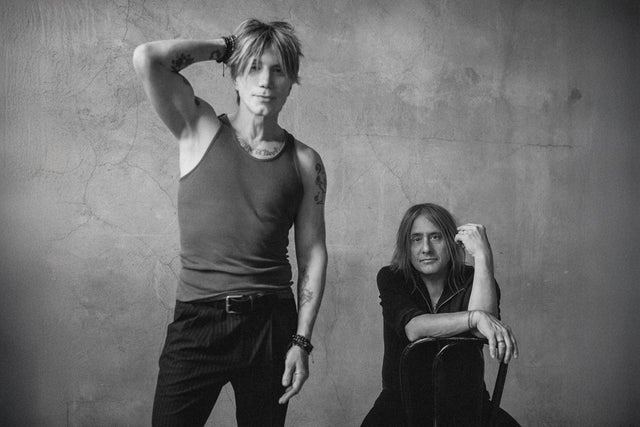
From punk roots to radio giants
Formed in Buffalo, the band grew from scrappy college-town punk into sleek guitar pop anchored by John Rzeznik's bright melodies and Robby Takac's grounding bass. They carry decades of radio mileage, from
A Boy Named Goo to
Dizzy Up the Girl, and
Chaos in Bloom showed they still write tight, tuneful rock.
What you might hear
Expect a set built around sing-along pillars like
Iris,
Slide,
Name, and
Black Balloon, with a few deeper cuts to pace the night. Crowds tend to be cross-generational, with longtime fans trading stories while younger listeners lean in for the big choruses and the crisp, mid-tempo polish. Trivia heads will note that
Iris first appeared on the City of Angels soundtrack before the band folded it into their album run. Another under-the-radar detail is how Takac still steps up for lead vocals on a few punkier numbers, keeping the set's energy from sitting in one lane. You might also hear acoustic-to-electric swaps that nod to the group's 90s MTV Unplugged era. For clarity, the specific song order and production touches mentioned here come from informed reading of past tours, not a fixed script.
Goo Goo Dolls Fans: Quiet Pride, Loud Choruses
Signals in the crowd
The scene skews friendly and low-key, with vintage
Dizzy Up the Girl shirts next to newer designs from
Chaos in Bloom. You hear soft chatter during deep cuts and full-voice singalongs the instant the opening guitar pattern of
Iris lands. Look for black balloon art on posters and tees, a nod that fans swap with a small smile rather than a shout.
Rituals that linger
During
Slide, claps usually kick in on the second chorus, while
Name often draws a hush that feels like a room holding its breath. Denim jackets, well-worn sneakers, and a handful of hoodies from the 2000s frame a crowd that values songs and memory over spectacle. People trade favorite lyric lines, compare first-show stories, and head for understated merch rather than novelty items.
Goo Goo Dolls: How the Songs Breathe Onstage
Hooks first, then lift
Rzeznik's voice sits in a clear, slightly husky range, and the band often supports it with stacked harmonies that lift the choruses without crowding them. Arrangements tend to keep verses dry and close, then open into ringing guitars and heavier cymbals for the refrain. You may notice a subtle key drop on a few classics, a smart move that keeps timbre rich while letting him lean into phrasing rather than sheer reach. Takac's bass locks with a steady, unflashy kick pattern, giving space for bright acoustic strums and a shimmering electric line to mesh.
Craft over flash
The group favors concise bridges and two-guitar conversations over long solos, which keeps tempos moving and the focus on melody. A practical quirk is the use of capo shapes to keep open strings ringing, a trick that gives songs the chime fans expect even at lower volume. Lighting tends to be color-blocked and supportive, cueing mood shifts more than chasing spectacle.
If You Like Goo Goo Dolls, Try These Roads Too
Kindred hooks, different shades
Fans who enjoy the warm, radio-ready crunch of this band often connect with
Matchbox Twenty, whose glossy guitars and mid-tempo storytelling hit similar nerves. If you like sharper edges and a touch more indie sneer,
Third Eye Blind brings punchy rhythms and anthems that still favor melody. The rootsy, narrative pull of
Counting Crows appeals to listeners who prize lyrics and a live band that stretches songs without losing the hook.
Nearby scenes
For a softer, atmospheric spin on big choruses,
Lifehouse keeps the guitars clean and the vocals front-and-center. All four acts tour to crowds that want clear vocals, chiming guitars, and a show that prizes songs over spectacle. They also share a 90s-to-2000s lineage, which means catalogs built for setlists that mix hits with sturdy album cuts.