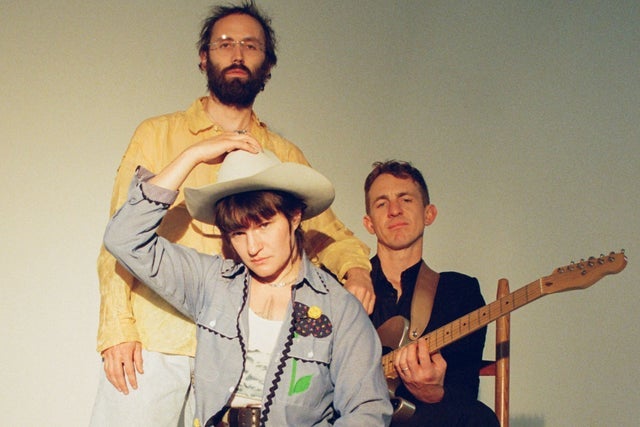
Big Thief came up in Brooklyn, shaping a sound that swings from pin-drop folk to ragged rock.
Brooklyn roots, wild growth
Led by
Adrianne Lenker, they lean on raw stories, close harmonies, and guitar tones that feel hand-carved. Expect a set that threads quiet new sketches with anchors like
Not,
Simulation Swarm,
Shark Smile, and
Spud Infinity. The crowd often includes longtime record-shop regulars, students comparing notebook scribbles, and families sharing a row, united by careful listening and sudden cheers. One neat note: their 20-song epic
Dragon New Warm Mountain I Believe in You was recorded across several locations, a plan steered by drummer-producer
James Krivchenia.
Songs that breathe then burst
Another small gem is how guitarist
Buck Meek slips in country-leaning bends that lift the beat without getting showy. You may also hear an unreleased song or two introduced with a working title and a grin. For clarity, any talk here about likely songs and staging is based on informed observation rather than firm details.
The Big Thief Circle: Quiet Rituals, Loud Hearts
Warm layers and lyric notebooks
The scene around a
Big Thief show feels handmade, with riso-print posters, soft earth tones, and jackets dotted with tiny band buttons. You will spot folks comparing lyric lines in small notebooks and trading favorite deep cuts while the stage is being set. During
Spud Infinity, a ripple of whoops meets the jaw-harp bounce, and you might hear a light stomp on the final chorus. On quieter songs, the room often stills in a way that lets finger noise and breath sit in the air.
Shared quiet, shared release
Merch leans toward simple shirts, vinyl, and the occasional zine or lyric chapbook, and those pieces tend to get used, not just saved. After the last note, clusters form to swap impressions and setlist photos, more like a book club than a victory lap. Fashion tilts practical and cozy, but with small statements like hand-dyed scarves or scuffed boots that say the night is about the songs.
How Big Thief Build the Storm and the Still
Volume as a brush, silence as canvas
Live,
Big Thief put the voice at the center, with Lenker's grainy hush sitting just above a dry, woody band mix. Guitars trade roles between soft fingerpicking and jagged bursts, while the rhythm section keeps the floor light, then heavy, then light again. The drums often switch from sticks to brushes or mallets mid-song, which softens the attack and makes the next hit feel larger. Bass lines favor melody over thump, threading countermelodies that make choruses glow without getting louder.
Small choices, big payoffs
A neat habit is stretching
Not into a long, feedback-streaked coda, then dropping into a slow waltz or spoken intro for the next tune. Lenker often uses alternate tunings or a partial capo, which lets familiar chords ring in new colors while keeping tempos unhurried. Visuals tend to be warm and spare, so your ear follows the dynamic swings instead of chasing screen cues. When the band leans into a groove, they hold it just long enough to feel earned, then shift the frame by changing one drum pattern or a guitar voicing.
Kindred Currents for Big Thief Fans
Neighboring sounds, shared hush
Fans of
Big Thief often find kinship with
Mitski for the way both acts balance softness with sudden force.
Angel Olsen brings a similar shadow-to-sun vocal range and band dynamics that bloom live. If you like narrative grit over sturdy grooves,
Sharon Van Etten scratches that itch with a stage feel that rides between confession and catharsis.
Fleet Foxes share the acoustic shimmer and patient builds that reward quiet rooms.
Why these artists click
Waxahatchee overlaps through plainspoken lyrics, Americana edges, and a crowd that values songwriting as much as volume. The overlap also comes from fans who prize careful arrangements and a night that moves like a story. These artists travel in different lanes, but their shows invite the same deep listening and post-gig reflection.