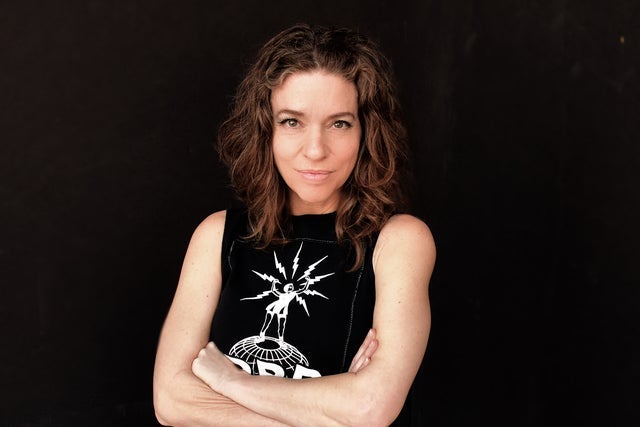
From Buffalo basements to big rooms
What the night likely sounds like
Ani DiFranco came up from Buffalo's DIY folk-punk world, founding
Righteous Babe Records to control her songs and message. These days she toggles between raw solo shows and nimble trio sets, fresh off a stint as Persephone in
Hadestown and new material tied to
Revolutionary Love. Expect talk-sung confessionals and quick, percussive guitar, with likely staples like
32 Flavors,
Both Hands, and
Untouchable Face threaded between new cuts. When
Valerie June opens, her gauzy voice and banjo-blues tilt the room toward dreamlike, which makes DiFranco's sharper edges land even cleaner. The crowd skews mixed in age and background, from longtime zine-makers to younger players tracking tunings on their phones, and the room tends to fall quiet for story-songs. Trivia: DiFranco once tracked vocals in a converted church that became
Babeville, and early pressings of
Not a Pretty Girl were hand-assembled by her team. She also changes guitar tunings mid-set and rides a stomp-backbeat, which is why you hear that drum feel even when she plays alone. For clarity, details about songs and staging here are projections based on past shows rather than a fixed plan.
The Ani DiFranco Scene, In the Wild
Quiet focus, quick cheers
Art you can wear home
You will see worn boots, denim layers, and a mix of homemade pins next to fresh show tees from
Righteous Babe Records. Fans swap favorite lyric couplets in the lobby, then hush for the first chord like a reading at a small press. The biggest sing-along usually comes on the kiss-off chorus of
Untouchable Face, with grins more than shouts. Between sets, people browse union-printed posters and vinyl, and you might spot a zine or two tucked into tote bags.
Valerie June's crowd often brings bright patterns and open ears, and many stick around early to catch her whole arc. Expect short, sincere thank-yous from the stage and quick check-ins about local causes, but the night stays anchored in the songs. Post-show, the line at the merch table is as much for conversation as for gear, with folks trading notes on tunings and favorite deep cuts.
How Ani DiFranco Builds the Room
Words first, groove close behind
Small shifts, big impact
On stage,
Ani DiFranco's voice sits dry and clear, with crisp consonants that make even fast lines easy to follow. She drives songs with a snapping right hand and palm-muted hits, so the guitar becomes rhythm and melody at once. When she brings a small band, bass locks the low end while light drums shadow her accents instead of overpowering them. She often retunes between pieces for a deeper ring, which lets open strings drone and gives familiar songs a new color. Old favorites may show up slower or in half-time, turning a rant into a hush so the story lands harder.
Valerie June's set leans on shimmer and space, so the transition into DiFranco's punchier attack feels like a lens coming into focus. Lights tend to stay warm and amber with a few cool washes for quiet numbers, which keeps attention on hands, breath, and words.
If You Like Ani DiFranco, You Might Follow These Roads
Neighboring sounds on the map
Why these bills feel right
Fans of
Brandi Carlile often find common ground in
Ani DiFranco's fearless songwriting and community-minded shows. The
Indigo Girls overlap comes from harmony-first folk-rock roots and a crowd that listens for lyrics above everything. If you like the ragged-then-radiant arc of
Hurray for the Riff Raff, DiFranco's punk-folk edges and union songs will ring familiar. Those drawn to the dusky, confessional tones of
Sharon Van Etten may appreciate how DiFranco pairs vulnerability with a muscular strum. All four acts prize audience connection over polish, and they let stories steer the set. The tempos rise and fall to serve words, not the other way around, which keeps the rooms quiet and intense. It is less about genre lanes and more about intent, which is why these fanbases tend to cross-pollinate.