Science in the club
Belfast-born and London-based,
Max Cooper sits where club rhythm meets research lab curiosity. He is known for emotional techno, patient ambient passages, and visuals designed with code-driven art. The current 3D/AV concept,
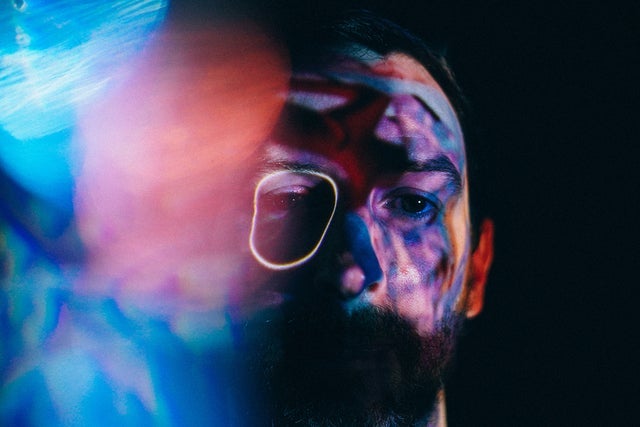
Feeling Is Structure, leans on depth and pattern to show how emotion shapes form.
What it might sound like tonight
Expect an arc that drifts from hush to lift, with pieces like
Perpetual Motion,
Resynthesis,
Order from Chaos, and
Aleph 2 likely showing up. The crowd skews mixed: producers comparing notes, design students eyeing textures, and longtime club regulars listening hard between drops. Cooper holds a PhD in computational biology, and he once balanced genetics research with weeknight DJ sets. His Mesh imprint often pairs records with open-source visual files, a tell that the project is built for cross-discipline tinkering. Fair warning: both the potential setlist and staging notes here are inferred from recent runs and could change on the night.
The Max Cooper Micro-Scene, In 3D
Design on the dancefloor
You will see dark, simple fits, well-worn sneakers, and the odd jacket with reflective trim catching the projector light. Many fans carry tote bags from galleries or record shops, and merch tends to feature generative art prints, vinyl, and minimal typography. There are bursts of cheers at visual peaks and when a kick returns, but most moments feel like a shared hush rather than a chant.
Rituals without the script
People trade notes about plugins or artists during changeovers, yet the floor stays friendly and low-ego. A small wave of heads will sway off-grid in ambient sections, then tighten when the groove bites back. Longtime followers nod when themes from
Emergence or
Unspoken Words surface, a soft callback that marks the arc. 3D glasses often end up tucked into pockets as souvenirs, a simple sign that the night leaned as much toward art space as club room.
How Max Cooper Builds Air Into Rhythm
Air, pulse, lift
Vocals are rare, so feeling comes from how he stacks harmony, reverb, and a kick that breathes instead of bludgeons. Arrangements rise in gentle steps, often holding a plateau before the drums speak again, which makes each return feel earned. Live, synths carry soft, detuned edges, while percussion snaps with fine-grain detail so the lows stay warm and not muddy.
Nerd notes made simple
The band role is virtual: layers behave like players, with pads laying ground, arps sketching motion, and drums marking the frame. Tempos sit in the mid-range, then dip into half-time to clear space before he nudges you forward again. A quiet trick he favors is nudging the kick to the song's main note and muting the bass for a bar, which makes the next swell hit deeper. Another recurring move is to reharmonize an ending theme on the fly so a known piece blooms into a new key without breaking flow.
If You Like Max Cooper, You Might Drift This Way
Nearby orbits
Jon Hopkins draws a similar line from meditative piano and drone to big, rolling techno payoffs.
Nils Frahm appeals to listeners who like acoustic touch and synth pulse living in one room.
Rival Consoles shares the crisp, silhouette-heavy lighting and a focus on melody shaped by texture.
Why they click
Moderat brings widescreen visuals and emotive bass pressure that land with the same slow-bloom energy.
Floating Points overlaps through jazz-minded harmony and long-form builds that reward patience. Fans who enjoy narrative concepts and careful sound design usually find the same draw across these shows. If you want heaviness without losing nuance, this cluster lives right in that lane.