


Skip the line, beat the scalpers, and secure your tickets today. Select your show below to get started.
Ticket presales give you access to blocks of tickets before the general public. With a Gary Gulman: Grandiloquent presale code, you can get tickets before the rush!
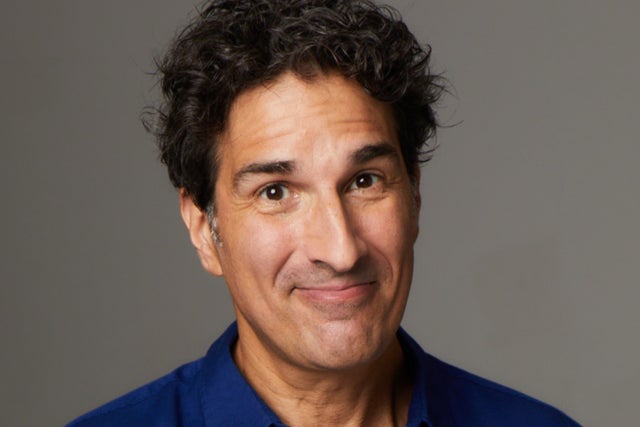
|
Gary Gulman: Grandiloquent
Royal Oak Music Theatre
May 28, 2026 • 8:00pm
Royal Oak, MI
|
|
Gary Gulman: Grandiloquent
Capitol Theatre
Mar 15, 2026 • 8:00pm
Clearwater, FL
|
|
Gary Gulman: Grandiloquent
Ridgefield Playhouse
Feb 27, 2026 • 8:00pm
Ridgefield, CT
|
|
Gary Gulman: Grandiloquent
Presidio Theatre
Jan 23, 2026 • 7:00pm
San Francisco, CA
|
|
Gary Gulman: Grandiloquent
Vancouver Playhouse
Dec 19, 2025 • 7:00pm
Vancouver, BC
|
|
Gary Gulman: Grandiloquent
Kimmel Center for the Performing Arts
Nov 15, 2025 • 8:00pm
Philadelphia, PA
|
|
Gary Gulman: Grandiloquent
Kimmel Center for the Performing Arts
Nov 14, 2025 • 7:00pm
Philadelphia, PA
|
|
Gary Gulman: Grandiloquent
The Fitzgerald Theater
Oct 18, 2025 • 7:00pm
Saint Paul, MN
|
|
Gary Gulman: Grandiloquent
The Elaine Wolf Theatre
Sep 27, 2025 • 12:00am
Denver, CO
|
|
Gary Gulman: Grandiloquent
The Elaine Wolf Theatre
Sep 26, 2025 • 12:00am
Denver, CO
|
How to find Gary Gulman: Grandiloquent presale codes
If you're hunting for tickets, knowing where to look is half the battle. Promoters, venues, and artists often release promotional codes just hours or minutes before a ticket presale begins. To get reliable presale password info manually, your best bet is to closely monitor Gary Gulman: Grandiloquent across their social media platforms (as well as checking Spotify). Be prepared to refresh those pages constantly as the sale time approaches.
The Ultimate Gary Gulman: Grandiloquent Presale Code Finder
Why waste time jumping between Live Nation, Ticketmaster, local venue releases, and scattered fan club emails? Let us do the heavy lifting. Set an SMS alert on your specific performance above, and our automated presale code finder will instantly notify you the second a working Gary Gulman: Grandiloquent password is found.
Grand Laughs, Grandiloquence with Gary Gulman
Gary Gulman came up in Boston clubs, a 6-foot-6 former accountant and substitute teacher whose calm, word-rich style stands out. Since the HBO special The Great Depresh, he has kept the candor about mental health while steering back toward playful, polysyllabic mischief. After releasing his memoir Misfit, he seems eager to mine childhood detail for fresh angles without repeating himself.