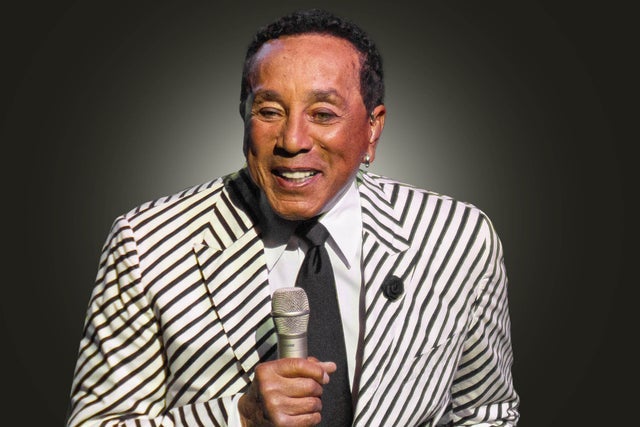
From Miracles to Master of Soul
Detroit-bred and a co-architect of Motown, Smokey Robinson built his name with
The Miracles before stepping out as a solo soul poet. In this chapter, he leans into a narrative concert, pairing tender falsetto with stories about the songs and the people who shaped them. Expect a set anchored by
The Tracks of My Tears,
Ooo Baby Baby,
The Tears of a Clown, and
Cruisin', with room for a few deep cuts. The room tends to be multi-generational, with longtime fans in sharp jackets, younger listeners in vintage tees, and couples swaying in quiet two-steps. One neat nugget: he co-wrote
My Girl for
The Temptations, and
Shop Around became Motown's first million-seller. Another under-the-radar note: his 1975 album
A Quiet Storm helped launch the late-night radio format that still bears that name. Details here are educated guesses based on recent shows and era norms, not a promise of what will happen.
What Might Be Played Tonight
The Smokey Robinson Scene, Up Close
Dapper Night Out Energy
You will see sharp blazers, polished shoes, and vintage Motown tees next to evening dresses and well-loved denim jackets. People tend to sing the high harmony on
The Tracks of My Tears and trade smiles during the slow roll of
Cruisin'. Between songs, there is a quiet murmur of shared memories, like first dances or road-trip radio moments, rather than loud chatter. Merch skews classic: clean fonts, Legacy-of-Love motifs, and a few vinyl reissues that make easy gifts. A pre-show playlist of Motown cuts usually sparks chair-dancing and quick lyric quizzes between rows. During band intros, fans clap in time and shout out the sax or the background trio like they are old friends. It feels like a respectful, dress-up night built around melody, steady grooves, and the kind of show you bring family to without worrying about volume or chaos.
Rituals That Return Every Tour
How Smokey Robinson Shapes the Sound Onstage
Falsetto as a Guiding Light
Smokey's voice sits in a light tenor that can still float into a fine-grained falsetto, so the band keeps arrangements open and mid-tempo. Drums and bass aim for a gentle pocket, letting guitar and keys paint small colors while background singers carry close harmonies. He often stitches early
The Miracles tunes into compact medleys, keeping verses tight so the choruses can land with more space. On
Cruisin', he typically stretches the outro into a playful call-and-response, turning the melody into a slow-burn vamp. A quiet detail: the group will drop dynamics to a hush before the last chorus of
Ooo Baby Baby, so the upper harmonies feel like a soft lift. Horn lines arrive as punctuation rather than walls of sound, and you may hear a few jazz-leaning chord choices that warm up familiar progressions. Visuals stay tasteful, with soft color washes and a steady spotlight that let phrasing and groove do the work.
Arrangements with Room to Breathe
Kindred Spirits for Smokey Robinson Fans
If You Like These, You Are Home
Fans of
The Temptations will find overlap because Smokey wrote for them and shares that polished vocal group sound onstage.
Diana Ross draws a similar cross-generational crowd, and her set balances glamour with a Motown-core songbook much like his. If you like the sturdy horn hooks and call-and-response of
The Four Tops, Smokey's band hits that same pocket with a softer touch.
Gladys Knight connects through story-first soul singing, measured tempos, and an emphasis on phrasing over volume. These artists favor melody, clear grooves, and classic songwriting, so the emotional payoff comes from craft rather than bombast. The overlap is less about era nostalgia and more about a shared approach to warmth, poise, and songs that breathe.
Adjacent Legends On The Road