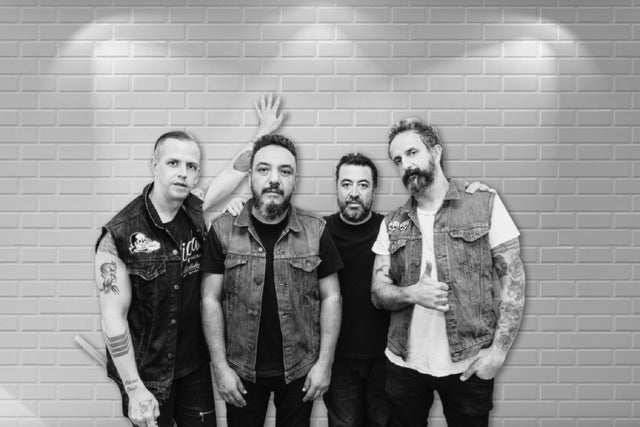
Bilingual Bite, Mexico City Roots
Molotov came up in Mexico City in the mid 90s mixing rap cadences, thick rock riffs, and sharp satire. Thirty years on, they still trade vocals and instruments, keeping the show loose and punchy. Expect a set that leans on early anthems like
Gimme the Power,
Puto, and
Voto Latino, with
Frijolero anchoring the bilingual core. Newer cuts and deep tracks might slide in as quick palate cleansers between the hits.
Protest Hooks, Crowd in Stereo
You will see hip hop heads next to punk lifers, parents sharing the band with grown kids, and flags draped over shoulders rather than waved like props. Trivia worth knowing: the members often swap bass, guitar, and lead lines mid song, and the
Frijolero video earned a Latin Grammy in 2003. Early work like
Donde Jugaran las Ninas? treated humor as a political tool, and that tone still guides their stage banter. These set picks and production cues are educated hunches pulled from recent shows and history, not a binding roadmap.
Molotov in the Wild: Flags, Shirts, and Choruses
Streetwear, Patches, and Protest Prints
You will spot vintage tees, workwear pants, soccer scarves, and a few homemade signs quoting lines from
Gimme the Power. Older fans mix with twenty somethings swapping stories in both Spanish and English, and no one blinks when slang jumps between languages. Merch leans classic, with
Donde Jugaran las Ninas? art, a nod to
Dance and Dense Denso, and simple logo caps that sell fast.
Chants That Travel
Chants tend to be short and percussive, from ole ole riffs to name callouts that the drums answer in time. Pits bubble near the center while the sides dance, and people lift the chorus rather than crowd surf nonstop. Post show chatter often turns to which deep cut they want next time and which protest line landed hardest, the kind of debrief that keeps
Molotov a shared reference point.
Molotov Mechanics: Sound Before Spectacle
Four Voices, One Engine
Live,
Molotov leans on gang vocals and quick handoffs, so verses feel like a debate and choruses hit like a single shout. Guitars favor chunky, palm muted patterns, often in drop D, while bass lines punch through with a pick for extra edge. Randy keeps the backbeat crisp and slightly ahead of the beat, which makes the raps feel urgent without rushing the groove.
Stretching the Hits Without Losing Them
They like to strip intros to voice and kick drum, then slam the full band for impact. Listen for a slowed final chorus in
Gimme the Power or an extra breakdown in
Puto, small changes that freshen familiar songs. Keys and samplers color the corners, but riffs and rhythm carry the night, with lighting pulsing to accents rather than stealing focus. The band is tight yet playful, leaving space for shout backs and quick instrumental tags between verses.
Molotov Orbit: Fans of These Acts
Kindred Firebrands
Fans of
Rage Against the Machine will track with the protest charge and riff driven bounce that
Molotov brings.
Cafe Tacvba fits for genre hopping, bilingual wit, and Mexico City lineage that rewards deep listening.
Cypress Hill overlaps on bass heavy swagger, call and response hooks, and a crowd that mixes skaters, hip hop fans, and rock kids.
Panteon Rococo connects through festival ready energy and socially aware lyrics, even as the groove leans ska.
Protest, Groove, and Big Choruses
If you like bands that turn slogans into choruses without losing the beat, these names sit in the same corner as
Molotov. Each act favors a show that moves first, argues second, and sends you home humming the chant.