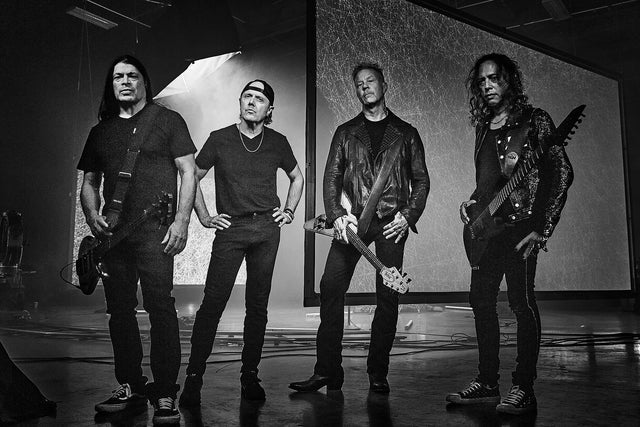
Two nights, zero repeats
Born from the Bay Area thrash wave,
Metallica built a heavy, precise sound that still finds melody in the storm. In recent years they have leaned into a two-night, no-repeat approach, which suits a catalog that runs from
Kill 'Em All speed to stadium singalongs. Expect anchors like
Master of Puppets and
Enter Sandman, with newer fire from
Lux Aeterna and a closer like
Seek & Destroy spread across the two evenings. The crowd skews multi-generation, from patched battle vests to parents with teens in fresh shirts, with plenty of ear protection on younger fans. You notice fans comparing riff eras and trading patch stories, while a few carry banners in Spanish or Portuguese that get picked up by cameras.
Bay Area roots, global roar
Lesser-known note: the band often tunes a half-step down live to ease vocal range, and
Kirk Hammett sometimes brings the famed Greeny Les Paul for mid-set crunch.
Robert Trujillo will sometimes nod to
Anesthesia (Pulling Teeth) in a bass spot, a small salute to Cliff Burton that fires up the floor. Details about songs and staging here are educated guesses based on recent runs and may shift by city.
The Metallica Scene: Patches, Chants, Community
Denim, black, and bright yellow flashes
You will see patched denim, black tees, and a splash of
72 Seasons yellow, plus custom vests with album art stencils and city pins. Early in the night small pits open on the faster songs, and fans near them keep an eye on each other so the circle stays friendly. The loudest chant hits during
Creeping Death, when thousands bark Die in time, and the la-la coda of
The Memory Remains turns the arena into a choir.
Shared rituals, real respect
Between songs, people trade stories about first shows and swap setlist wishes, often comparing eras like
...And Justice for All versus
Metallica (The Black Album) without snob tones. Merch leans into city-specific posters, throwback typefaces, and a few deep-cut shirt designs that only a longtime listener recognizes. After the encore, folks linger to trade picks and patch ideas, and the energy feels more like a meet-up of lifers than a quick photo op.
Under the Hood of Metallica's Live Machine
Riffs like pistons, drums that surge
James Hetfield now sings with a grittier baritone that trades a bit of bite for warmth, and it suits the slower, heavier cuts. His rhythm guitar is still all downstrokes, which makes the riffs snap like a tight engine and keeps the beat locked for
Lars Ulrich.
Robert Trujillo glues the center with a growly bass tone and quick slides, and he often adds low harmonies that widen choruses without crowding them.
Kirk Hammett takes lyrical leads with that signature wah cry, and on older songs he sometimes trims a run so the hook lands faster. Tempos can jump early in a set when adrenaline is high, then settle into a meatier pace that lets the groove breathe.
Small tweaks, big impact
Many songs run a half-step lower live for comfort, and intros like
Sad but True or
The Memory Remains may stretch a few bars to milk the chant. Lighting tracks the music more than the spectacle, with strobes punching on downbeats and warm washes opening up for mid-tempo singalongs. A nice deep-cut habit:
Robert Trujillo and
Kirk Hammett sometimes slip in a short regional cover during their mid-set jam, giving the night a local spine without breaking flow.
Metallica Fans' Adjacent Heavy Hitters
Kindred riffs, shared pits
If you live for
Metallica's tight chug and big chorus payoff,
Megadeth hits a similar precision with sharper, proggy turns and blistering twin leads.
Iron Maiden brings marathon epics and crowd-wide chants, appealing to fans who like storytelling and melodies flying over galloping rhythms. For those chasing crushing groove and a louder, modern low end,
Pantera delivers a heavier stomp that still nods to classic thrash energy.
Gojira attracts the part of this crowd that wants technical riffs with environmental themes and a huge, percussive live feel.
Legacy meets new heavy
Iron Maiden and
Megadeth pull the old-school lineage, while
Pantera and
Gojira speak to the heavier, post-2000 tilt many
Metallica fans also enjoy. All four acts bring big-stage confidence, precise playing, and songs built to land hard in an arena.