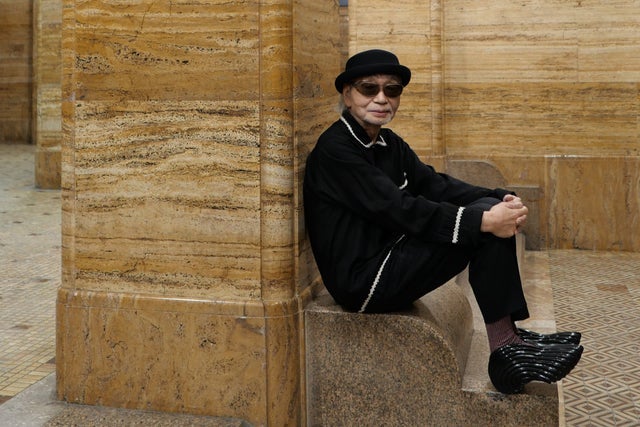
Roots, loss, and quiet reinvention
[Haruomi Hosono] came up in
Happy End, then helped launch global synth pop with
Yellow Magic Orchestra, blending folk roots with playful machines. Recent years have carried a softer tone after the passing of bandmates
Ryuichi Sakamoto and
Yukihiro Takahashi, and he often frames that history with quiet grace. Expect a measured set that toggles between country-lilted early cuts and sleek instrumentals, with likely stops at
Sports Men,
Owari no Kisetsu, and a nod to YMO like
Cosmic Surfin'. He favors warm electric bass, small keys, and dry drums, letting space do the talking while wry asides keep the room light. You will notice a cross-generational crowd: crate-diggers with record shop totes, synth fans comparing patches, and Japanese families sharing stories between songs. Trivia fans listen for the home-studio intimacy he pioneered on
Hosono House, tracked in his living room with makeshift echo tricks, and the ocean-breeze palette he shaped on
Pacific. For transparency, these guesses about songs and production nuances are drawn from patterns in recent shows and could differ when you are there.
Songs that breathe in wide spaces
The Haruomi Hosono Scene, Up Close
Quiet style, clear signals
You will see neat, low-key fashion mixed with sly references: vintage
Yellow Magic Orchestra tees, soft workwear, and city pop pins on tote straps. Collectors compare pressing notes at the bar while younger fans swap playlist links, then everyone hushes for ballads before a bigger cheer after the groove returns. Between songs, a few voices call out for
Haruomi Hosono with care, and the replies are small bows, waves, or a dry joke that lands softly. Merch leans toward thoughtful objects rather than loud slogans: vinyl reissues, 7-inch singles, enamel pins, and silkscreen posters with understated type. You might catch a low chorus humming the hook to
Sports Men in the lobby, or a quiet debate about whether a certain tune dates back to
Hosono House. The scene feels considerate and curious, more like a listening club than a shout-along. People leave chatting about connections to
Happy End and early
Yellow Magic Orchestra days, then pull up discography notes on their phones as they head out into the night.
Little traditions you notice
How Haruomi Hosono Makes It Breathe
Slow tempos, deep pocket
Haruomi Hosono's current vocal style sits low and conversational, so songs arrive a notch slower, with syllables placed carefully against the kick. Arrangements tend to strip to bass, a compact drum kit, and one or two synth voices, which lets small chord changes feel big. He often drops the key of older tunes and relaxes the tempo, trading bounce for sway so the chorus lands with hush instead of fireworks. When a groove needs lift, a keyboardist colors with vintage-style tremolo and a monosynth line that shadows the melody rather than racing past it. A recurring live habit is to start with a clicky drum-machine pattern and then fold in brushes or shakers, turning a square beat into something human. Bass stays warm and woody, sometimes favoring simple octave hops over busy fills, which gives the room a steady spine. Lighting and visuals keep the focus on tone and touch, often using amber washes and clean retro typography rather than hard strobes.
Old machines, living hands
Kindred Echoes for Haruomi Hosono
Lines that connect across scenes
Fans of
Kraftwerk will recognize the minimalist pulse and museum-piece clarity that
Haruomi Hosono often honors on stage.
Cornelius draws a similar line between meticulous sound design and breezy pop, pulling in listeners who enjoy clever detail without losing melody.
Khruangbin share the unhurried, border-hopping groove that prizes tone and pocket over flash, which fits the way the songs let rhythms lope.
Todd Terje appeals to those who like synth-disco with a wink, a cousin to the sly humor baked into
Haruomi Hosono's catalog.
Thundercat brings bass-front sparkle and oddball warmth, attracting listeners who appreciate deep pocket, harmony play, and playful nods to fusion eras. Across these artists, the overlap is simple to hear: spacious arrangements, melodic bass work, and a live mix that prizes clarity over bombast.
Why these shows feel adjacent