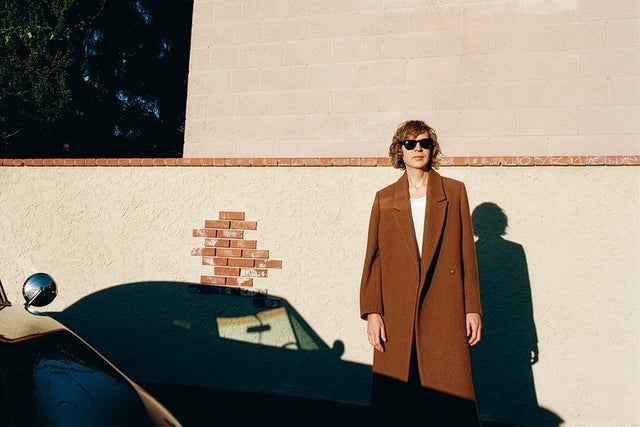
Dusty loops, bright melodies
He came up in early '90s Los Angeles, bouncing from anti-folk coffeehouses to four-track hip-hop experiments, and he still treats style as clay he can reshape. Recent years have seen him favor lean, acoustic-forward shows between larger band runs, so expect a set that moves from hushed folk to springy funk without fuss. Likely anchors include
Loser,
Where It's At, and
Blue Moon, with room for a reworked
Debra if the room feels playful. The crowd usually spans crate-diggers who care about beats, indie rock fans who grew up on
Odelay, and newer listeners drawn in by the soft-glow of
Sea Change-era ballads.
A crowd that listens, then moves
Lesser-known: his father, arranger David Campbell, crafted many of the string charts you hear on record, and early versions of
Loser were cut in a tiny room with a broken mic that gave the vocal its slacker hiss. Production choices and setlist are forecasted here from past tours and recent appearances, not from firm guarantees. Expect him to swap guitars often and grab a pocket harmonica when he wants a grit line through a tender tune.
The Beck People-Watching Field Guide
Vintage threads, modern ears
The scene mixes thrifted denim, soft vintage tees, and clean sneakers, with a few bolo ties and patterned button-downs that nod to the folk-blues side. People who came up on
Odelay stand shoulder to shoulder with younger fans who found
Hyperspace and then worked backward. Quiet respect lands on the ballads, then the room snaps to claps and the two turntables and a microphone chant when the groove hits.
Rituals without the rules
Merch tends toward collage art, thin serif fonts, and muted colors, plus a couple of deep-cut song title tees for the lifers. You will hear side conversations about sample sources and old 12-inch singles, and you might spot a disposable camera or two aimed at the stage during the encore. The overall culture feels curious and game for left turns, happy to trade a sing-along for a mood piece if the payoff is real.
How Beck Builds the Room's Pulse
Groove first, then color
Vocally, Beck moves from a close-mic whisper to a light falsetto, and he often leans into a talk-sung cadence when the beat has bounce. The band keeps parts clean and short: guitar riffs are clipped and percussive, bass lines slide a bit behind the beat, and drums favor dry snares that make room for handclaps. On acoustic stretches, he shifts keys with a capo and sometimes drops his guitar a half step to sit in a warmer pocket.
Small moves, big impact
He likes to flip arrangements, turning
Loser into a dusty country shuffle or stretching
Where It's At with a call-and-response vamp before the two turntables tag. Tempos usually start moderate, then he clicks up the pace mid-set so the room can actually dance rather than just nod. Keys and sample textures show up as color, not the star, and the group often replaces programmed loops with a shaker-and-floor-tom pattern that breathes more. Visuals tend to favor amber and cobalt washes that match the sonic shifts without pulling focus from the playing.
If You Like Beck, You Might Walk This Way
Kindred spirits on the road
If you like literate rock with groove under the hood,
Wilco is a natural neighbor; they balance texture and songcraft in a way that clicks with Beck fans.
Father John Misty shares the sly humor and crooner instincts that work in Beck's quieter sets. For kaleidoscopic color and a playful stage spirit,
The Flaming Lips often hit the same curiosity centers even if the sounds differ.
Different palettes, shared ears
Phoenix overlaps on sleek rhythm and danceable indie pop, a lane Beck dips into when the drum machines wake up. If your taste tilts toward modern psych shine and bass-forward pulse,
Tame Impala scratches that itch while appealing to the same cross-genre crowd.