


Find Arch Enemy + The Black Dahlia Murder: Wrath Across North America 2026 presale passwords here.
Scroll down for the performance list. Members get instant access to all presale codes. Click a yellow Subscribe link to join.
There is 1 Arch Enemy + The Black Dahlia Murder: Wrath Across North America 2026 presale happening right now. Members have 1 code ready to use.
Scroll down for the performance list. Members get instant access to all presale codes. Click a yellow Subscribe link to join.
Get Arch Enemy + The Black Dahlia Murder: Wrath Across North America 2026 presale tickets
| Citi® Cardmember Preferred Tickets |
|---|
There is 1 presale happening right now,
we have 1 different presale code.
Presale codes were last updated (1 month, 2 weeks ago) at 05-19 10:10 Eastern. Some presale codes are reserved exclusively for our members, learn why we do this here.
Presale codes were last updated (1 month, 2 weeks ago) at 05-19 10:10 Eastern. Some presale codes are reserved exclusively for our members, learn why we do this here.
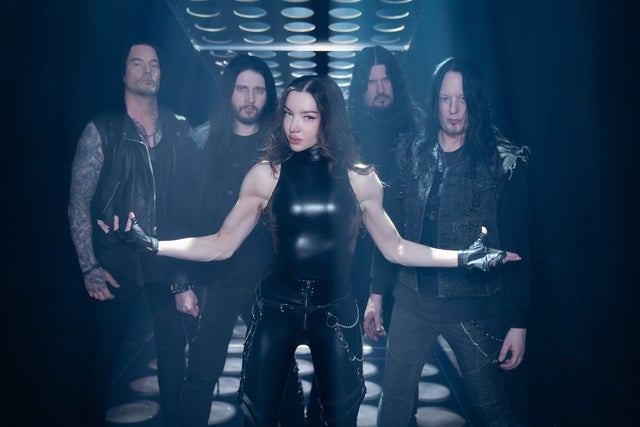
Right now there are presales for Arch Enemy + The Black Dahlia Murder: Wrath Across North America 2026 with events scheduled in Philadelphia, PA.
Find more presales for shows in Philadelphia, PA
Show Arch Enemy + The Black Dahlia Murder: Wrath Across North America 2026 presales in more places
Riffs Reforged with Arch Enemy
Arch Enemy came out of Sweden's melodic death wave with razor harmonies and a precise engine room, and they still play like a band built on purpose. The Black Dahlia Murder carried that sound into the U.S. with speed, dark hooks, and relentless energy.
From Gothenburg grit to Midwest speed
The major story here is BDM's rebuild after Trevor Strnad's passing, with the group stabilizing around a new live focus that honors the old bite. Expect a tight, career-spanning arc where Arch Enemy fires off Nemesis and War Eternal, while The Black Dahlia Murder leans into Nightbringers and What A Horrible Night To Have A Curse. The crowd is mixed-age and gear-aware, with patched vests from Gothenburg staples next to Midwest death metal logos, and lots of earplugs in pockets.Setlist snapshots and quiet lore
Trivia heads note Michael Amott's history in Carcass shaping those twin leads, and that BDM first used the Horrible Night title on a 2001 demo before the 2007 album cut. You will also hear guitars tuned down for weight and clarity, which keeps rapid lines clean in larger rooms. For transparency, the song picks and production guesses here are based on recent patterns and could shift from city to city.Culture Under the Riff: Arch Enemy and The Black Dahlia Murder
Patches, blasts, and polite pits
You will spot battle vests with careful rows of Gothenburg patches next to fresh tour shirts from recent U.S. club runs. Black jeans and boots dominate, with a few bright pedal-brand tees and the occasional 2000s camo short as a nod to earlier eras. Between songs, chants swing from ARCH EN-E-MY to B-D-M, and the loudest call-and-response usually hits during Nemesis.Shared memory, song-first culture
Merch trends toward bold long-sleeves with sleeve prints, enamel pins, and a foil poster or two that vanishes early. People trade notes on tone settings and blast counts, and quick thank-yous follow whenever someone is lifted after a tumble. Older fans wear faded Nocturnal and Wages of Sin shirts, quietly mapping the room's timeline. Newer fans sing up front while the back half steers the circle and guards space for surfers. It reads like a community built on riffs first, habit second, and a shared memory for little moments like a drummer flipping the count before a final chorus.Steel and Speed: Arch Enemy and The Black Dahlia Murder on Stage
Hooks at high speed
Arch Enemy rides twin-guitar lines that stack harmonies so choruses hit hard without losing bite. The Black Dahlia Murder answers with rapid picking and explosive drums that still leave space for a hook to land. Vocally, one set cuts with higher screams while the other leans on a grittier roar, and the contrast keeps the pacing fresh.Subtle tweaks, bigger impact
Arrangements often trim intros and jump straight to the verse, which keeps the night brisk. A frequent live tweak is letting the lead guitarist stretch or even swap solo spots, especially before the final chorus of War Eternal. Guitars run in lowered tunings for heft, bass stays midrange-clear, and the kicks ride a click so extreme tempos read clean rather than cloudy. Lighting backs the sound with red-and-blue washes and strobe punches on blast peaks. Stop-start hits and halftime drops give the pits a clear pulse before the band snaps back to full speed.Kindred Fire: Arch Enemy and The Black Dahlia Murder Fans' Next Stops
Riff cousins across scenes
Fans of Amon Amarth often land here too, since both camps favor triumphant riffs, precise drums, and loud group shouts. At The Gates sits at the root of the melodic blueprint, so listeners who prize sharpened harmonies over pure chaos will feel aligned. If you like the polished yet still serrated approach of In Flames, the mix of melody, stomp, and modern sheen hits a similar nerve.Melody meets muscle
Carcass connects both by history and by the love of hooky leads inside extreme metal. Groove-minded fans from Lamb of God shows also cross over, drawn to tight kick patterns and big chorus payoffs at brisk tempos. These links are about tone and live feel rather than strict genre lanes. Expect overlap in merch tastes and pit etiquette, since these scenes value melody and riff clarity alongside speed.Popular Concerts and Matching Presale Unlocking Codes
We are an independent information service and not associated with Arch Enemy + The Black Dahlia Murder: Wrath Across North America 2026.
Learn more