


Skip the line, beat the scalpers, and secure your tickets today. Select your show below to get started.
There are 2 active Three Dog Night presales right now.
Members have 1 working code ready to use.
Plus: 1 more password coming soon - select an event to be notified.
|
Three Dog Night
Hobart Arena
Jul 16, 2026 • 7:30pm
Troy, OH
|
|
Three Dog Night
Cape Cod Melody Tent
Jun 28, 2026 • 8:00pm
Barnstable, MA
|
|
Three Dog Night
South Shore Music Circus
Jun 26, 2026 • 8:00pm
COHASSET, MA
|
|
Three Dog Night
Blue Gate PAC
Mar 12, 2026 • 7:30pm
Shipshewana, IN
|
|
Three Dog Night
Ruth Eckerd Hall
Dec 7, 2025 • 7:00pm
Clearwater, FL
|
|
Three Dog Night
Buncrana Cinema
Oct 16, 2025 • 7:30pm
Buncrana, DL
|
|
Three Dog Night
Tag's Summer Stage
Aug 16, 2025 • 7:00pm
Big Flats, NY
|
|
Three Dog Night
Univest Performance Center
Aug 15, 2025 • 6:00pm
Quakertown, PA
|
|
Three Dog Night
Forum River Center
Jul 18, 2025 • 8:00pm
Rome, GA
|
|
Three Dog Night
The Pinnacle
Jul 17, 2025 • 7:30pm
Nashville, TN
|
|
Three Dog Night
Golden State Theatre
Jun 5, 2025 • 8:00pm
Monterey, CA
|
|
Three Dog Night
The Pabst Theater
May 8, 2025 • 7:30pm
Milwaukee, WI
|
|
Three Dog Night
Orpheum Theater
Sep 15, 2024 • 8:00pm
Madison, WI
|
|
Presale Active
Three Dog Night
Bob Hope Theatre
Jun 13, 2019 • 7:30pm
Stockton, CA
|
How to find Three Dog Night presale codes
If you're hunting for tickets, knowing where to look is half the battle. Promoters, venues, and artists often release promotional codes just hours or minutes before a ticket presale begins. To get reliable presale password info manually, your best bet is to closely monitor Three Dog Night across their social media platforms (as well as checking Spotify). Be prepared to refresh those pages constantly as the sale time approaches.
The Ultimate Three Dog Night Presale Code Finder
Why waste your time jumping between Live Nation, Ticketmaster, local venue releases, and scattered fan club emails? Skip the manual hunt. As a dedicated presale code finder, our system has already tracked down and verified 1 Three Dog Night presale code.
Joy to the Source: Three Dog Night Returns to the Roots
Formed in late 1960s Los Angeles, Three Dog Night built a pop-rock identity on three lead voices and radio-ready arrangements. In recent years the band has faced real change, with the passing of a founding singer and, more recently, the original drummer, reshaping how the songs are carried.
Three voices, one identity
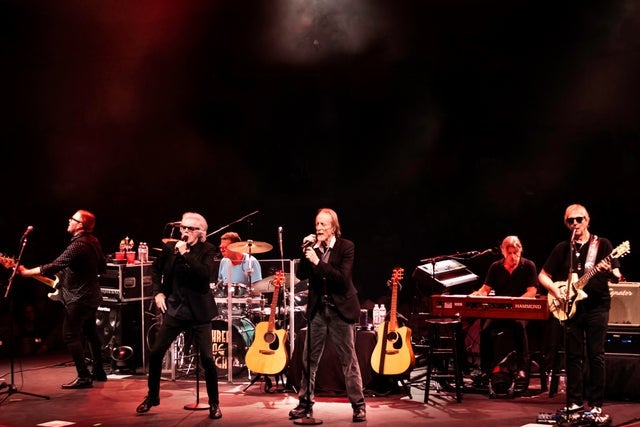
The current lineup leans on stacked harmonies and tight keys-and-guitar interplay to keep that blend intact while veteran players steer the show. Expect cornerstone numbers like Joy to the World, Mama Told Me (Not to Come), Shambala, and One, sung a touch lower and warmer but still bright.The hits you will likely hear
Crowds span longtime fans, adult kids who grew up on car-radio mixes, and newer listeners who know the hooks from films and ballpark speakers. You see faded tour jackets, denim with vintage patches, and people quietly picking out third-part harmonies during choruses instead of phone filming. A neat nugget: many of their biggest sides were cut at American Recording in Studio City with producer Richard Podolor, where crisp drum sounds became a signature. Another small fact is that Mama Told Me (Not to Come) lifted a songwriter's sly story into the mainstream, even though it is a cover. Details about songs and staging here are educated guesses based on recent shows and could differ on the night.Generations in Chorus: Three Dog Night's Scene & Fan Culture
The room feels relaxed and social, with people swapping stories about first hearing these songs on AM radio during drives or in a dorm common room. Clothing leans practical with subtle flair, like worn leather belts, classic sneakers, and tees with 70s typefaces rather than flashy costumes.
A mellow, proud crowd
When Joy to the World starts, the first verse kicks off a loud, smiling sing-along on the 'Jeremiah was a bullfrog' line, and you hear low harmonies spread across rows. Fans clap on twos and fours without rushing, which suits the pocket of these tunes. Merch tables move nostalgia pieces like frog-emblem shirts, soft tri-blend tour prints, and simple baseball caps in team colors. Between songs you might catch gentle debates about which cover they own the most, whether it is Eli's Comin' or Liar. The vibe is courteous, with people making room for dancers during Shambala and settling in quietly for ballads. It is a scene built on memory and craft rather than spectacle, and that gives the show a friendly pace.Craft Over Flash: Three Dog Night's Musicianship & Sound
Three Dog Night is a vocals-first band, so the live mix puts the three-part stack on top, with keys and guitar carving space underneath. The rhythm section favors firm, un-busy parts that let choruses bloom, and tempos often run just a notch brisker than the singles to keep energy steady.
Harmony first, band follows
You will hear piano and organ trade roles to cover string or horn colors from the records, and the guitar stays mostly clean with light grit for clarity. They sometimes drop a song's key by a half-step to keep the blend smooth, then re-voice the harmonies so the top line still cuts. A small live tweak fans notice is a pocketed, drier snare sound on Mama Told Me (Not to Come), which makes the story feel more sly than the album take. Lighting supports the arc with warm tones on ballads and brighter washes on the big refrains, but the focus remains on tight singing and concise hooks.Small changes that land big
Now and then the band tags a short turnaround between hits so there is no dead space, giving the night a smooth, almost medley-like flow.Kindred Harmonies: Three Dog Night and Their Touring Neighbors
If you like stacked vocals and steady grooves, The Doobie Brothers sit nearby, sharing clean guitar lines, shuffle feels, and crowd harmonies. Chicago appeals to the same fans who enjoy meticulous arrangements and a long run of radio singles, even if Chicago leans on brass while Three Dog Night leans on keys.