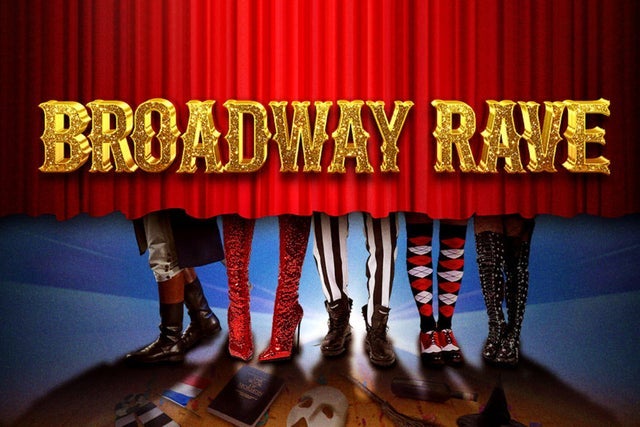
Cast albums, club cuts
This roving dance party turns cast recordings into club fuel, leaning on big hooks and story songs. Built by DJs who love show scores, it treats the canon like pop, with bigger drums and trims on long intros. Expect anchors like
Defying Gravity,
You Can't Stop the Beat, and
My Shot to land early, with reprises later.
Who shows up and why it works
The floor skews mixed: college theater majors, local performers between gigs, and pop club regulars who know the hooks. You will see green shimmer from
Wicked diehards, Schuyler-inspired gloves, and thrifted blazers nodding to
Hadestown and
Newsies. Lesser-known note: official
Hamilton instrumentals and karaoke stems often make transitions smoother, and DJs will nudge pitch a half-step to keep keys friendly. These setlist and production guesses come from recent stops and could play out differently where you see it.
The Broadway Rave Scene, Up Close
Costumes meet clubwear
Style blends costumes and clubwear: rehearsal blacks with glitter, lime liner for
Wicked, sailor stripes for
Mamma Mia!, and varsity jackets for
Heathers. Playbill totes, enamel pin lanyards, and jackets patched with regional-show logos are common at the rail and by the bar. Early on, small groups practice harmonies; by peak, you hear clean call-backs on "no day but today" and "and Peggy."
Shared rituals, clear signals
When the bridge of
Defying Gravity swells, palms rise in unison, and the DJ cuts the beat to let the top note ring before bringing it back. Closers like
You Can't Stop the Beat turn the floor into loose line steps, with friends echoing tour choreo they learned online. Merch trends run simple: text tees naming favorite shows, hats with subtle logos, and stickers quoting lines that read well offstage. The mood is welcoming and self-aware, with clear consent cues and quick cheers when an edit shouts out an understudy or orchestra pit.
How Broadway Rave Builds the Sound
Vocals first, groove always
The DJs keep vocals on top while kick and claps carry the dance pulse, so leads cut and verses stay clear. Long intros get tightened, and key changes are left intact because the lift feels like a natural drop. Quick blends often loop a chorus, then open to a bar of a cappella so the room can sing before the beat snaps back.
Edits that respect the score
A quieter stretch might ride
She Used to Be Mine over a soft house bed, then surge into
You Will Be Found at double-time for release. A smaller detail: spoken dialogue is hot-cued past, and waltz-like sections get extra percussion so they feel straight and steady. Lighting and color shifts mirror modulations and drum hits, but the show stays music-first, with edits serving the story. Tempo nudges of a few BPM keep transitions smooth without losing the shape of each song.
Why Broadway Rave Fans Also Love These Voices
Kindred voices, shared drama
Fans of
Ben Platt hear the same big-vocal release and clean storytelling that drive sing-along peaks here.
Sara Bareilles devotees connect because she writes theater-shaped pop and built
Waitress, so narrative hooks are the draw.
Cynthia Erivo brings powerhouse ballads that crest like eleven o'clock numbers, mirroring the dramatic arcs that light up this floor.
Where narrative pop meets the club
If you follow
Josh Groban, you already enjoy orchestral heft meeting pop form, which maps neatly to cast album climaxes. These artists lean on lyrics, melody, and breath control rather than drop-only payoffs, a value shared by this party. They also tour rooms that welcome group singing, so the social feel transfers without friction.