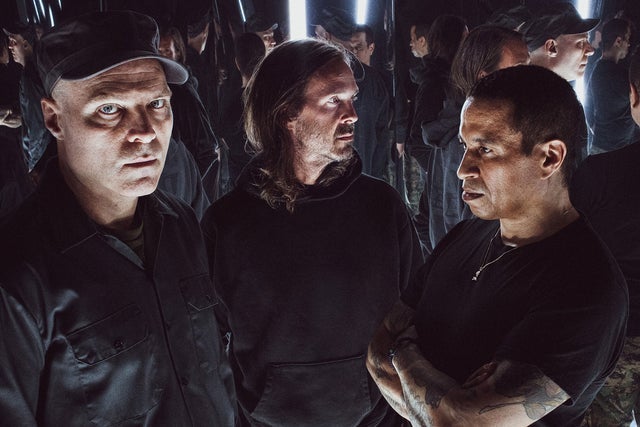
From NYC grit to Boston heart
Quicksand rose from the late-80s hardcore scene, with Walter Schreifels carrying lessons from
Gorilla-Biscuits and
Youth-of-Today into the sleek weight of
Slip and
Manic Compression.
Bane came up in Boston as Aaron Dalbec's offshoot from
Converge, turning raw urgency into sing-along catharsis and touring ethics. Quicksand's modern run leans on the tight trio core heard on
Interiors and
Distant Populations, while Bane's return after a farewell era carries memorial warmth for friends and the scene. Expect
Quicksand to lean into
Fazer,
Dine Alone, and
Thorn In My Side, with that rubbery bass and chorused guitar cutting through. Look for
Bane to fire up
Can We Start Again,
Some Came Running, and
Final Backward Glance, where mic-sharing feels built into the hooks. The crowd skews mixed: long-time locals in beat-up skate shoes, younger fans learning lyrics on the fly, and a few parents with earplugs for a first heavy show together. Two small notes: Bane's releases often hide long liner essays that map their community, and Quicksand's bass tone often keeps a subtle chorus texture live, a habit dating back to the
Slip era.
What might change tonight
What you read about song choices and staging reflects informed guesswork from recent runs, and the night itself may play out differently.
Culture Underfoot: Quicksand & Bane Scene
The look and the rituals
You will see a mix of older tour shirts from
Slip and
Don't Wait Up, fresh DIY prints, and patched jackets that tell a map of past shows. People trade spots up front with light taps and nods, and the pit shifts between short bursts and wide, careful circles. When
Bane hits a break, the front rows lift the mic and shout the lines as if signing a page together.
Quicksand moments land in quiet head-bobs and closed-eye grooves before the next riff slams back in. Merch leans practical: heavyweight blanks, clean fonts, and sometimes a charity tee tied to a friend or cause, which many fans prioritize. Between sets, you might hear talk about venues long gone, zines, and which pressing of
Manic Compression sounds best. The culture values care as much as push, so helping a fallen fan up gets louder cheers than any spin kick. It feels less like a costume and more like well-worn tools for a night of shared noise.
Memory carried forward
Old songs are treated like living things, and new voices find space next to them without fuss.
Grit, Groove, and Glue: Quicksand & Bane Onstage
How the songs breathe live
Quicksand rides interlocking parts: clipped guitar shapes, round bass that pushes the drums, and vocals that sit just above the mix. They often slow an intro or stretch a bridge so a riff lands heavier, like easing
Fazer into focus before the full hit. The guitars favor a clean-but-gritty edge, letting chords ring rather than stack fuzz, so the groove feels springy instead of murky.
Bane leans on two-guitar interplay, one locking a crunchy root while the other adds a bright counter line, giving the vocals a strong rail to grip. To heighten call-and-response, they will add a hard stop or extra bar in songs like
Can We Start Again, which turns the room into one big microphone. A quieter insight: Quicksand often plays a half-step down live to thicken the low end without losing articulation, which makes the kick and bass move as one. Lights usually track the music's shape, with cooler washes for Quicksand's tension and warm, open looks when Bane invites the room to shout.
Built for the ear first
Arrangements put drums and bass forward so the pocket leads, and the guitars act like punctuation rather than constant roar.
Kindred Noise for Quicksand & Bane Fans
Nearby shores of sound
Fans of
Helmet will catch the same punchy, stop-start grooves and dry, focused riffing that keep heads nodding without showy solos.
Cave-In overlaps in the way heavy parts feel spacey yet tight, and their live mix can shift from airy melodies to tensed-up churn the way these sets often do.
Glassjaw fans tend to appreciate moody dynamics and sharp-edged bass lines, which align with
Quicksand's lean arrangements. If you follow
Converge, you will recognize Bane's hardcore lineage and the shared culture of short, high-impact songs that still leave room for big feelings.
Hot-Water-Music regulars may connect with Bane's gravelly vocals and community-forward choruses, where toughness and heart sit side by side. These bands also share stages well, since each values clarity in the rhythm section and vocals that sit on top of dense guitars. The overlap is less about fashion and more about that balance of muscle, message, and movement. It is music that wants you close to the kick drum and close to each other.