


Skip the line, beat the scalpers, and secure your tickets today. Select your show below to get started.
There are 4 active The Mountain Goats presales right now.
Members have 1 working code ready to use.
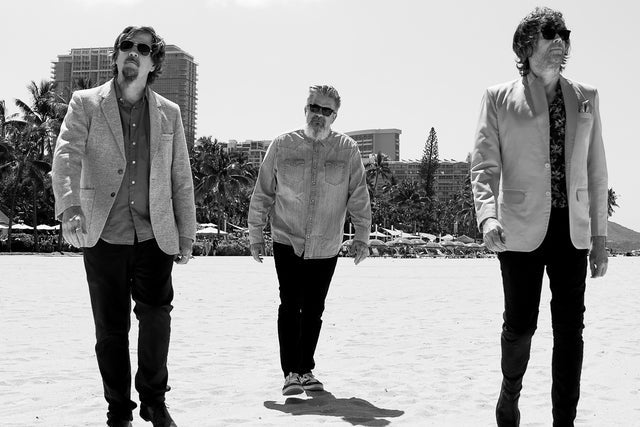
|
The MOUNTAIN GOATS
FITZGERALDS PATIO
Jun 26, 2026 • 7:00pm
Berwyn, IL
|
|
The Mountain Goats
40 Watt Club
May 30, 2026 • 7:00pm
Athens, GA
|
|
The Mountain Goats
Manchester Music Hall
May 28, 2026 • 8:00pm
Lexington, KY
|
|
The Mountain Goats
The Vogue
May 23, 2026 • 8:00pm
Indianapolis, IN
|
|
The Mountain Goats
Bell's Beer Garden
May 22, 2026 • 8:00pm
Kalamazoo, MI
|
|
The Mountain Goats
Newport Music Hall
May 21, 2026 • 8:00pm
Columbus, OH
|
|
The Mountain Goats
College Street Music Hall
May 17, 2026 • 8:00pm
New Haven, CT
|
|
The Mountain Goats
Bearsville Theater
May 16, 2026 • 8:00pm
Woodstock, NY
|
|
The Mountain Goats
Revolution Hall
Dec 9, 2025 • 8:00pm
Portland, OR
|
|
The Mountain Goats
Revolution Hall
Dec 8, 2025 • 8:00pm
Portland, OR
|
|
The Mountain Goats
Treefort Music Hall
Dec 6, 2025 • 7:00pm
Boise, ID
|
|
The Mountain Goats
Metro Music Hall
Nov 29, 2025 • 7:00pm
Salt Lake City, UT
|
|
The Mountain Goats
The Loud
Oct 1, 2025 • 8:00pm
Huntington, WV
|
|
The Mountain Goats
Hatch Amphitheater
Sep 20, 2025 • 8:00pm
Asheville, NC
|
|
The Mountain Goats
The Windjammer
Sep 19, 2025 • 6:00pm
Isle of Palms, SC
|
How to find The Mountain Goats presale codes
If you're hunting for tickets, knowing where to look is half the battle. Promoters, venues, and artists often release promotional codes just hours or minutes before a ticket presale begins. To get reliable presale password info manually, your best bet is to closely monitor The Mountain Goats across their social media platforms (as well as checking Spotify). Be prepared to refresh those pages constantly as the sale time approaches.
The Ultimate The Mountain Goats Presale Code Finder
Why waste your time jumping between Live Nation, Ticketmaster, local venue releases, and scattered fan club emails? Skip the manual hunt. As a dedicated presale code finder, our system has already tracked down and verified 1 The Mountain Goats presale code.
Candlebox Can’t Quite Let Go
Seattle’s Candlebox step back into the ring with a wry grin, framing this run as a no-fuss return to the riffs and hooks that made them fixtures of the 90s. Kevin Martin’s sandpaper tenor and the band’s sturdy, melodic crunch remain the anchor, now carried by a road-tested lineup that plays like a single engine.
What You’ll Likely Hear
Expect Far Behind, You, Cover Me, and Change to form the spine, with room for a deep cut or two when the room leans in. The crowd skews 30s to 50s, a mix of longtime fans in threadbare tour tees, younger rock listeners chasing guitar bands, and a few families sharing a first loud show together. Energy builds in steady waves rather than chaos, with big group vocals on choruses and content head-nods during the verses. Trivia worth knowing: the self-titled debut went quadruple-platinum, and the band helped put Maverick Records on the map in the mid-90s.A Note On Expectations
Take any talk of deep cuts and lighting flourishes as a forecast, not a contract; this group likes to call an audible based on the room. If you want to feel that lift in person, it lands cleanest when this tour hits your city.Flannel, Faders, and Family
You will spot sun-faded Maverick-era shirts next to fresh tour hoodies, lots of dark denim, and the occasional plaid overshirt tied at the waist. People swap short, specific memories—first spins of Far Behind, an old club show, the album that lived in their car—rather than trading statistics. There is a relaxed call-and-response vibe: a clipped cheer before the first snare crack of You, a low crowd hum that finds the opening melody of the closer before the band even starts.
Small Rituals, Big Chorus
Merch leans classic: bold album art, straightforward fonts, and black hats you could wear to work. Fans tend to listen hard during verses, then lean into choruses with both hands free, phones pocketed. It feels less like nostalgia cosplay and more like a neighborhood reunion built around loud guitars. The scene is friendly, lightly weathered, and tuned to melody over spectacle.Rough Silk, Polished Steel
Martin’s voice rides a husky tenor that cuts through without shouting, and the band keeps arrangements lean enough to let him phrase. Guitars often live in drop-D, giving the riffs a weighty floor while leaving space for bright, open-string chords on refrains.
How They Shape The Sound
You may hear a half-step key drop on a few choruses, a smart touring adjustment that preserves power while keeping the melodies singable. Drums sit slightly behind the beat, giving the verses a rolling sway, then push forward on the hooks for snap and lift. The group sometimes stretches a bridge, especially on a song like Change, adding a few bars so the solo can bloom before the last chorus. Backing vocals are stacked in simple thirds, thickening the payoff lines without clutter. Visually, they favor warm ambers and deep blues, backlighting the choruses and letting guitars silhouette in the haze.The Live Picture
No gimmicks, just pacing: tight intros, short banter, and dynamic arcs that make the big songs land harder.Kindred Noise, Shared Nights
Fans of Stone Temple Pilots will recognize the groove-forward, muscular mid-tempos that Candlebox favors, built for head-bob swing rather than breakneck pace. Collective Soul loyalists will hear the same clean-lined choruses and radio-friendly polish that still leave room for guitar bite. If you lean toward Bush, the slightly darker textures and tight, modern crunch line up neatly with Candlebox’s live mix. Live is another good parallel, especially for listeners who want earnest baritone vocals sitting high over chiming guitars. These acts all trade in big bridges, hummable hooks, and rhythm sections that sit deep in the pocket. Candlebox’s lane is the sturdy middle ground: tough but tuneful, built for rooms where lyrics carry and snare drums pop. That overlap makes their crowds easy mixers across bills and festivals. The connective tissue is simple: songs you can hum by the second chorus, with guitars doing the heavy lifting and melody doing the rest.