


Skip the line, beat the scalpers, and secure your tickets today. Select your show below to get started.
There is 1 active The Fab Four The Ultimate Tribute presale right now.
Plus: 1 more password coming soon - select an event to be notified.
How to find The Fab Four The Ultimate Tribute presale codes
If you're hunting for tickets, knowing where to look is half the battle. Promoters, venues, and artists often release promotional codes just hours or minutes before a ticket presale begins. To get reliable presale password info manually, your best bet is to closely monitor The Fab Four The Ultimate Tribute across their social media platforms (as well as checking Spotify). Be prepared to refresh those pages constantly as the sale time approaches.
The Ultimate The Fab Four The Ultimate Tribute Presale Code Finder
Why waste time jumping between Live Nation, Ticketmaster, local venue releases, and scattered fan club emails? Let us do the heavy lifting. Set an SMS alert on your specific performance above, and our automated presale code finder will instantly notify you the second a working The Fab Four The Ultimate Tribute password is found.
Meet Beatlemania Again with The Fab Four - The Ultimate Tribute
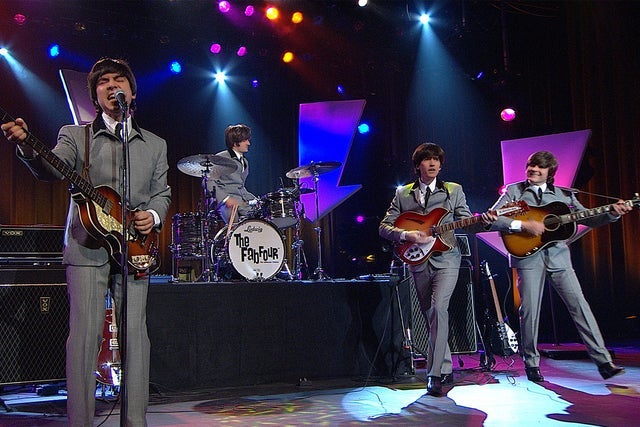
The Fab Four - The Ultimate Tribute rebuilds The Beatles era by era, with accents, banter, and quick costume changes.
Four Lads, Many Eras
They started in California clubs and grew into theater runs by doubling down on exact tones and mannerisms. Their cast has rotated over time, but the aim stays steady: the bite of Hamburg, the charm of Ed Sullivan, and the polish of Abbey Road.Songs You Can Bet On
Likely songs include I Want to Hold Your Hand, Here Comes the Sun, Come Together, and a big Hey Jude singalong to close. Crowds tend to be multi-generational, with grandparents pointing out guitar swaps to kids while local music teachers nod along to the tight harmonies. Lesser-known touches: the 'John' player may bring a short-scale Rickenbacker early on, and tea towels can dampen the toms to mimic late-60s studio thud. Treat the setlist and production notes here as educated guesses, since these shows change city to city.The Scene Around The Fab Four - The Ultimate Tribute
Mod Threads and Memory
You will spot slim-cut jackets, Beatles-logo tees, and a few homemade Sgt. Pepper sashes over plain shirts. Pins and totes with the drop-T logo hang next to denim patched with favorite song titles.Shared Rituals
Parents coach kids on when to shout the 'wooo' answer in She Loves You, while older fans smile at Ed Sullivan-style bows. During late-set rockers, some people lean into the rooftop look with gray coats and round glasses. Merch skews era-specific, from Rubber Soul fonts to bright Yellow Submarine art and the classic drop-T mark. When Hey Jude lands, rows sway and stack harmonies on the long coda, and someone often yells 'I got blisters on my fingers!' after a roaring Helter Skelter. It feels communal but not rowdy, like a well-kept scrapbook shared out loud for one night.How The Fab Four - The Ultimate Tribute Sound Live
Harmonies First
Live, the vocals lead, with tight three-part blends riding on bright guitars and a round Hofner thump. The 'Paul' voice sits high and smooth, the 'John' bite brings grit, and the 'George' lines glue the stack. Arrangements stay close to the records, but early rockers run a notch faster to lift the room.Small Choices, Big Payoff
Later pieces open up, with keys covering strings and horns while codas like Hey Jude stretch for call-and-response. Guitars move from hollow bodies to solid bodies as eras shift, and the drummer's touch turns from swingy snaps to heavier late-60s cracks. A neat detail: Here Comes the Sun often uses a high capo so the picking pattern sparkles like the record. A light echo thickens a few lead vocals to mirror the double-tracked feel on Rubber Soul and Revolver. Lights mark the eras in broad colors, keeping attention on timing, blend, and groove.If You Like The Fab Four - The Ultimate Tribute
Fans who chase sharp melodies and big group choruses will find kindred shows on the road.