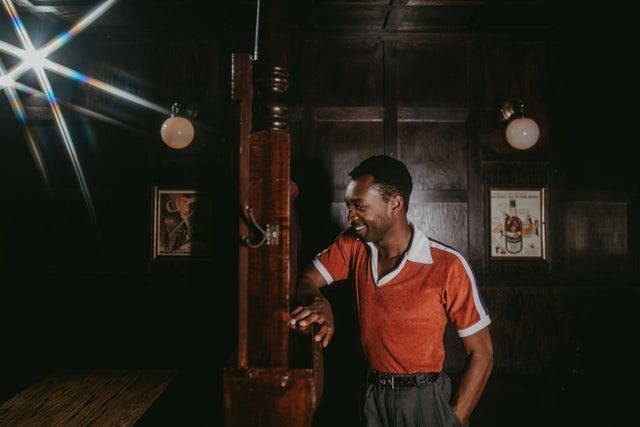
From Silver Spring to the Mersey
Jalen Ngonda grew up in Silver Spring, Maryland, and shaped his voice after moving to Liverpool to study at Paul McCartney's LIPA. His sound leans on 60s soul touchstones with a nimble falsetto and crisp rhythm guitar, but the writing stays lean and modern. A likely set sweeps through
Come Around and Love Me and
If You Don't Want My Love, with room for one deep cut or a classic soul cover.
Soul revival with lean edges
Expect a room split between longtime Daptone devotees, younger R&B listeners, and date-night pairs who actually listen when the band drops quiet. Lesser-known note: he favors live-to-tape tracking with minimal overdubs, a Daptone habit that keeps tempos human and tones warm. Early career heads also know he sharpened his craft at small Liverpool gigs before stepping onto bigger festival bills. He often tours with a tight rhythm section and adds horns when the venue and budget fit. For clarity, these set ideas and production notes come from pattern-spotting, not a final, published plan.
Jalen Ngonda Scene Notes: Dress Sharp, Move Soft
Sharp threads, soft steps
The room skews mixed in age, with vinyl collectors next to first-timers who found him through playlists, and both groups dress with intent. You will spot vintage blazers, A-line dresses, loafers, clean sneakers, and a few Northern Soul patches tucked on denim. During mid-tempo numbers, the front rows do a soft two-step and clap on two and four, while the back keeps a slow sway.
A listening crowd that still moves
Call-and-response bits land fast, especially the ooohs and hey lines that invite a whole-venue hum. Merch trends lean to 7-inch singles, a classic font tee, and a tour poster that looks like it came off a 1966 bill. Conversations after the encore tend to be about tone and feel rather than sheer volume, with fans trading notes on which ballad hit hardest. The culture favors presence over phones, not by rule but by shared mood, so small gestures on stage carry weight. It feels like a community of careful listeners who also love to dance when the pocket deepens.
Jalen Ngonda in the Pocket: Sound First
Falsetto in focus
On stage,
Jalen Ngonda's falsetto sits over a dry, close-miked drum sound and a bass line that moves like a dancer, not a weight. He often starts verses in a lower dynamic and saves the highest notes for the last hook, which keeps the room leaning forward. The guitars favor a bright, clean tone with a hint of tremolo, while the keys toggle between Wurlitzer bite and warm organ pads. Arrangements are tight, with short turnarounds and quick count-offs that keep songs under four minutes even when the groove could stretch.
Old-school tools, present-tense feel
A common live tweak is a brushed or tea-towel-muted snare that gives a 60s snap without harshness. When the band wants lift, the drummer shifts to busier hi-hat patterns and the bassist walks a touch more, raising energy without speeding up. Lights tend to follow the music, going soft for ballads and brighter on choruses, more mood than spectacle. On some nights he tags a half-chorus coda onto a fan favorite, a small rearrangement that lets the falsetto bloom and the crowd sing back.
Jalen Ngonda's Kindred Company
Where retro meets right-now
Fans of
Leon Bridges will find the same clean, classic drum-and-bass glide and tender, unshowy stage craft.
Durand Jones & The Indications draw a similar crowd that cares about melody, tight grooves, and falsetto that carries without strain. The warm, tape-kissed ballads from
Thee Sacred Souls overlap with
Jalen Ngonda's slow dances and give crate-diggers a shared reference point. If you like the widescreen soul-psych lift of
Black Pumas, you will hear that same sense of build when the band opens the chorus. And
Michael Kiwanuka fans will recognize the patient pacing and guitar-forward writing, even when the band goes soft.
If these names sit in your crates
All five acts privilege songcraft over flash and lean on live bands rather than tracks.