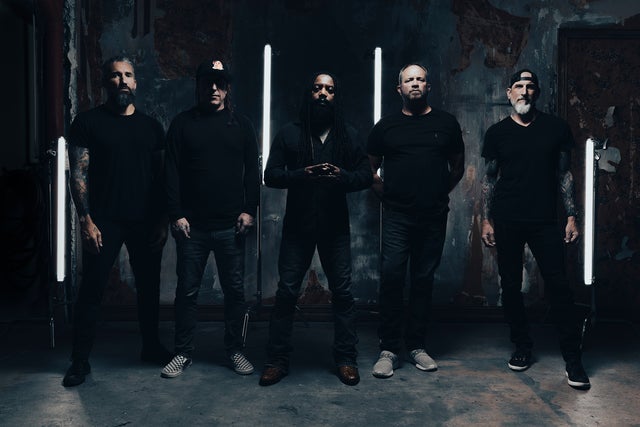
Roots and resolve
Born in Atlanta in the mid 90s, this band built a heavy groove sound under soulful baritone vocals and tight, percussive riffs. The core lineup has held for decades, so the show feels like a seasoned unit that knows how to leave space and then hit hard. Recent work like
Truth Killer adds more melody and electronic texture without softening the punch.
What they might play
Expect a set that moves from early stompers such as
Black and
Denial to radio staples like
Enemy and
Praise, trimmed for a co-headline runtime. Crowds trend mixed in age, with old tour tees from the
Animosity era next to newer radio-rock fans, and the energy stays warm and focused rather than rowdy. Two small notes for nerds: the group once used the name Crawlspace in its early days, and many songs ride on low-tuned seven-string guitars that make the kick drum feel even bigger. Everything about likely songs and staging here is an informed guess based on recent runs, not a guarantee.
Denim, Ink, and a Sing-Along Chorus Culture
What you see and hear around you
Expect rows of black band tees from early 2000s runs mixed with fresh prints, plus a few patched vests and clean sneakers rather than combat boots. Fans tend to chat gear and favorite deep cuts before the lights drop, swapping stories about first spins of
Animosity or the moment
Black hooked them. During the biggest choruses, you hear low harmony hums between lines, not just screams, which matches the music's blend of grit and melody.
Little rituals that travel city to city
Hands go up on the snare backbeat, and a short clap pattern often starts unprompted on the bridge before the last chorus. Merch leans practical, with soft tees, beanies, and a drumhead or two for the diehards, while posters feature bold type and minimal art. After the show, people linger to compare set notes and favorite transitions, and the tone stays friendly even when opinions differ.
Weight, Warmth, and the Craft Behind the Crush
How the sound moves
Vocals ride on a rich baritone that can cut through the mix without shouting, and the phrasing favors long vowels that bloom over the riff. Guitars lock into tight down-picked patterns, with low tunings adding extra thud so the drums can punch in the spaces. Live, the band often trims intros and extends bridges, letting tom patterns and bass swells build tension before the final chorus.
Small choices, big impact
One neat habit: the opener of
Black sometimes drops to half-time on the first pass, which makes the next surge feel bigger. Tempos tend to sit mid-fast, which invites head-nod momentum rather than a sprint, and the drummer peppers ghost notes between kicks to keep the pocket alive. The lighting usually follows the dynamics, with cold backlight for verses and bursts of warm strobes on hooks, all in service of the groove first. The result is a show that feels heavy but breathable, where small arrangement tweaks let familiar songs land fresh.
Kindred Riff-Makers and Why They Fit
Same lane, different stripes
Shinedown brings big hooks and a polished punch, which appeals to fans who like weighty riffs balanced with sing-along choruses.
Breaking Benjamin shares the darker mood and stacked vocal parts, plus that patient, churning rhythm that builds to a clean, heavy release.
Alter Bridge fits for listeners who enjoy precision twin-guitar figures and a soulful baritone leading melodic but muscular songs.
Why the overlap works
Papa Roach lines up on energy and catharsis, attracting crowds that want bounce without losing melody. If your playlists swing from grit to uplift, these bands sit near the same lane as this show, and their fans often swap tour shirts in the same pit. All lean modern, radio-friendly hard rock, but each keeps enough edge to satisfy people who crave tight grooves over prog sprawl.