


Skip the line, beat the scalpers, and secure your tickets today. Select your show below to get started.
There are 6 active GWAR presales right now.
Members have 1 working code ready to use.
Plus: 4 more passwords coming soon - select an event to be notified.
|
GWAR
The Caverns
Jun 21, 2025 • 7:00pm
Pelham, TN
|
|
GWAR
Vinyl Music Hall
Jun 20, 2025 • 12:00am
Pensacola, FL
|
|
GWAR
Radio/East
May 22, 2025 • 12:00am
Austin, TX
|
|
GWAR
Chelsea’s Live
May 21, 2025 • 12:00am
Baton Rouge, LA
|
How to find GWAR presale codes
If you're hunting for tickets, knowing where to look is half the battle. Promoters, venues, and artists often release promotional codes just hours or minutes before a ticket presale begins. To get reliable presale password info manually, your best bet is to closely monitor GWAR across their social media platforms (as well as checking Spotify). Be prepared to refresh those pages constantly as the sale time approaches.
The Ultimate GWAR Presale Code Finder
Why waste your time jumping between Live Nation, Ticketmaster, local venue releases, and scattered fan club emails? Skip the manual hunt. As a dedicated presale code finder, our system has already tracked down and verified 1 GWAR presale code.
Blood, Riffs, and Lore with GWAR
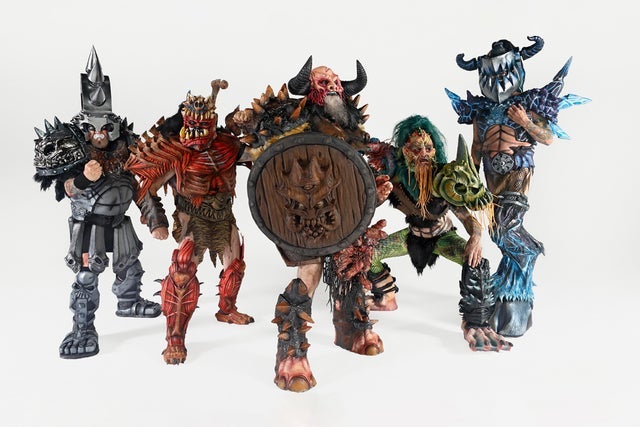
GWAR rose out of Richmond's art scene, building a metal-and-satire world with handmade monsters and lore.
From art prank to battle choir
After the 2014 death of Dave Brockie, former bassist Michael Bishop took over as Blothar the Berserker, giving the vocals a deeper, older-warrior tone. Expect staples like Sick of You, Hail, Genocide!, and Fuck This Place, mixed with story bits that tie the set together.Blood pump meets sing-along
Floor crowds blend denim vets, goth kids in painter caps, and first-timers in white tees ready to get stained, while the balcony skews older and camera-shy. A neat fact: much of the armor and gore rigs are built in-house by Slave Pit Inc., the workshop that also shaped their early films. Another: cuts from Scumdogs of the Universe often arrive early, with later-era grinders spaced as breathers between skits. Note: the songs and stage effects mentioned here are educated guesses, not promises.The GWAR Scene: Paint, Patches, and Polite Chaos
The room looks like a paint fight and a metal show had a meeting, with fans in white tees, thrift-store lab coats, and DIY armor from foam mats.
Fashion that becomes the show
You will hear the old heads cue the chant before the drop into Sick of You, and pockets up front trade short, respectful pits rather than one long swirl. Black denim and battle vests are common, but there is also bright face paint, safety goggles, and plastic ponchos turned into art projects by the end.In-jokes, chants, and mosh etiquette
Merch tables lean heavy on posters, patches, and oddities like fake organs, plus a few washed-white shirts already pre-stained red for the joke. Between songs, the crowd laughs at skits like a midnight movie crowd, then snaps back to headbanging when the guitars hit. People swap lore about old GWAR-B-Q summers and favorite era lineups without gatekeeping, and you hear a lot of Richmond pride from travelers. It feels messy and friendly, like theater kids who learned palm-muted riffs and never put the props away.How GWAR Sounds: Grit, Groove, and Well-Timed Chaos
Live, GWAR keeps the guitars thick and slightly detuned, which gives the riffs a low growl that fills the room without drowning the vocals.
Riffs built to rumble
Blothar the Berserker favors a booming bark that sits on top of mid-tempo chugs, and he stretches to a shout for the punch lines. Arrangements often tighten verses to two quick cycles so the band can drop into a wider chorus where the crowd can yell back simple lines. Drums stay on a steady, stomping pulse, with quick double-kicks used like exclamation marks instead of a constant blur.Small tweaks, big impact
A lesser-known quirk: the band sometimes shifts a song down a half-step live to match Blothar the Berserker's range, which also fattens the guitars. They also extend breakdowns by a few bars to time the blood cannons to the downbeat, so the splash lands with the riff. Lighting leans bold and primary to frame the costumes, but the mix stays clean enough that you can pick out bass runs and twin-guitar answers.If You Like This, GWAR Fans Often Cross Over
Fans of Alice Cooper will relate to the campy horror staging and sneaky hooks.